Kathryn Kupillas: Burnout, Healing, and Listening to the Body
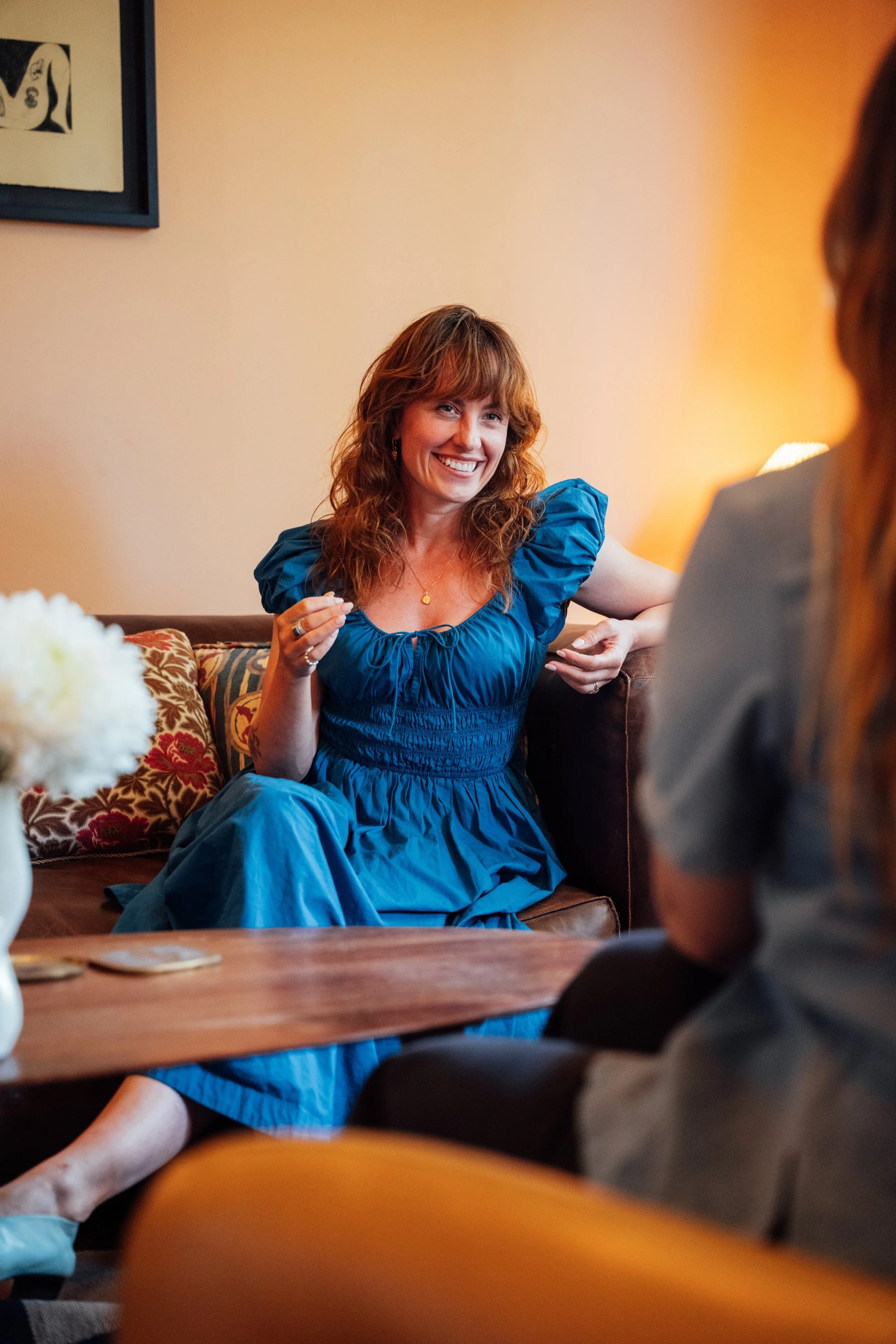
There is a quietness about Kathryn Kupillas that immediately invites people to slow down.
As a Licensed Marriage and Family Therapist and founder of Inner Vision Psychotherapy in Los Angeles, Kathryn has built a practice centered around something many people have lost touch with in today's fast-moving world: the relationship between the mind, the body, and the deeper parts of ourselves that are often drowned out by constant noise.
Her work is rooted in helping people reconnect with those parts, especially during seasons of burnout, grief, anxiety, and major life transitions. Rather than approaching therapy as a way to fix people, Kathryn believes healing begins by becoming curious about what our experiences are trying to teach us.
Her own journey into psychotherapy was shaped by profound personal loss. After spending years working as an artist and photographer, the deaths of both of her parents in 2014 changed the direction of her life. What followed was, as she described it, "an enormous initiation" into understanding grief, healing, and the opportunities that can emerge from life's hardest moments. That path eventually led her to study depth psychology before expanding into trauma work, EMDR, somatic therapies, and opening Inner Vision Psychotherapy.
Today, many of the people who walk through her doors arrive carrying the same feeling. They're exhausted. Burnout has become a familiar word, but Kathryn believes it often starts long before someone reaches complete exhaustion. It begins with the body quietly asking for attention.
"When we move faster than the speed of our nervous systems, when we move faster than the speed of nature, when we try to push past our own instincts, which often are to rest, eventually there's going to be an expression of discomfort, pain, whatever it might be."
Instead of viewing those feelings as obstacles, Kathryn encourages people to become curious about them. Anxiety, resistance, fatigue, and emotional overwhelm are not simply inconveniences. They are signals that something deeper may need attention. One of the most powerful ideas she shared is that emotions are meant to move through us, not stay trapped inside.
"Emotions are tunnels. We have to get all the way through to get to the relief and insight that's on the other side."
For many people, that means learning to sit with feelings they've spent years avoiding. Anger, grief, fear, and conflict are often pushed aside because they're uncomfortable, yet Kathryn believes those emotions frequently contain the information needed for healing.
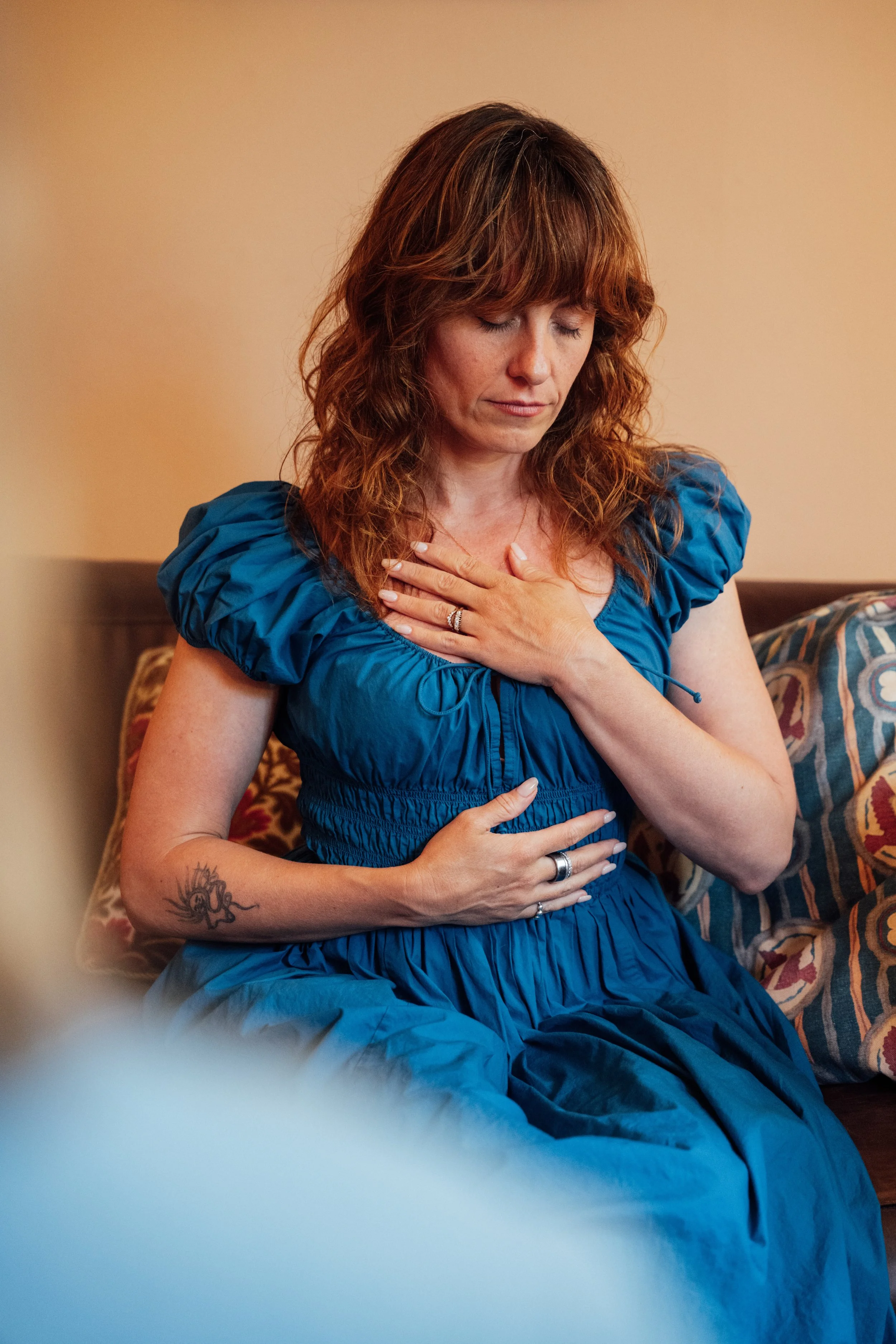

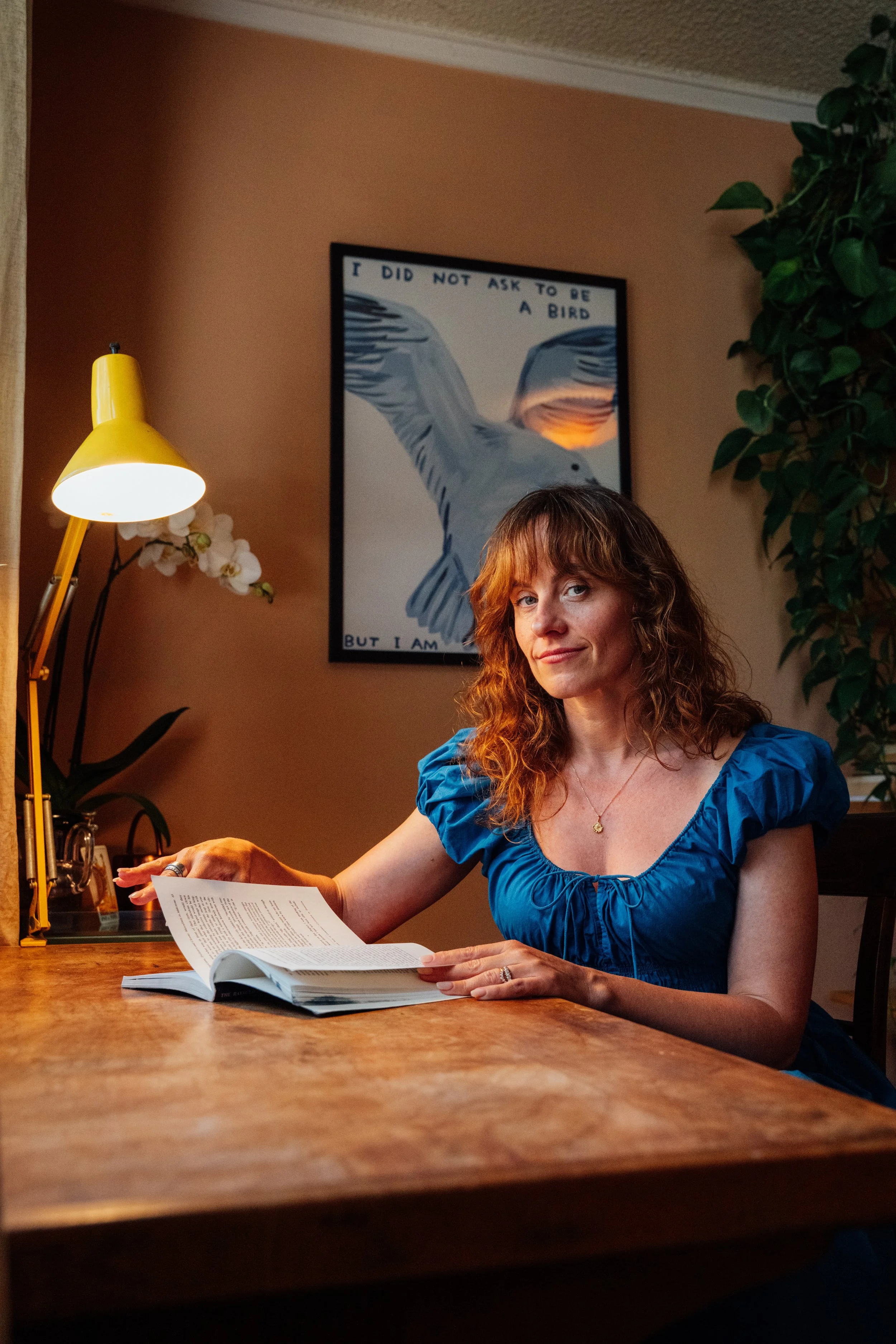
That philosophy extends into her use of somatic therapy, an approach that recognizes healing happens through the body as much as through conversation. While talking about experiences can create understanding, Kathryn believes lasting change comes from feeling them fully.
"Thinking about it and talking about it isn't actually as helpful as feeling something different."
It's a perspective that feels especially relevant in a culture built around constant productivity. Artists, entrepreneurs, and creatives often find themselves measuring their worth by how much they accomplish, leaving little room for rest or reflection. Kathryn regularly works with clients navigating perfectionism, workaholism, and burnout, helping them reconnect with a pace that feels more sustainable.
Her work reaches beyond the therapy room as well. Through retreats like The Inner Wild in Scotland, Kathryn creates opportunities for people to step away from everyday demands and experience what life feels like when the nervous system is no longer racing. Surrounded by nature, participants are invited to slow down, reconnect with themselves, and remember what it feels like to simply exist without constantly producing.
Throughout the conversation, one theme surfaced again and again: healing doesn't happen in isolation.
"We need to have collective experiences. Relational trauma heals in relationship."
In a time when conversations around mental health are becoming more open, Kathryn hopes people continue moving beyond simply acknowledging stress and anxiety. She encourages them to listen more closely to what their bodies are communicating, create space for pleasure and rest, and recognize that healing is rarely about becoming someone new. More often, it's about returning to the parts of ourselves that have been there all along.
To learn more about Kathryn Kupillas, Inner Vision Psychotherapy, and her work with individuals, couples, and retreats, visit her website and follow Inner Vision Psychotherapy on Instagram.
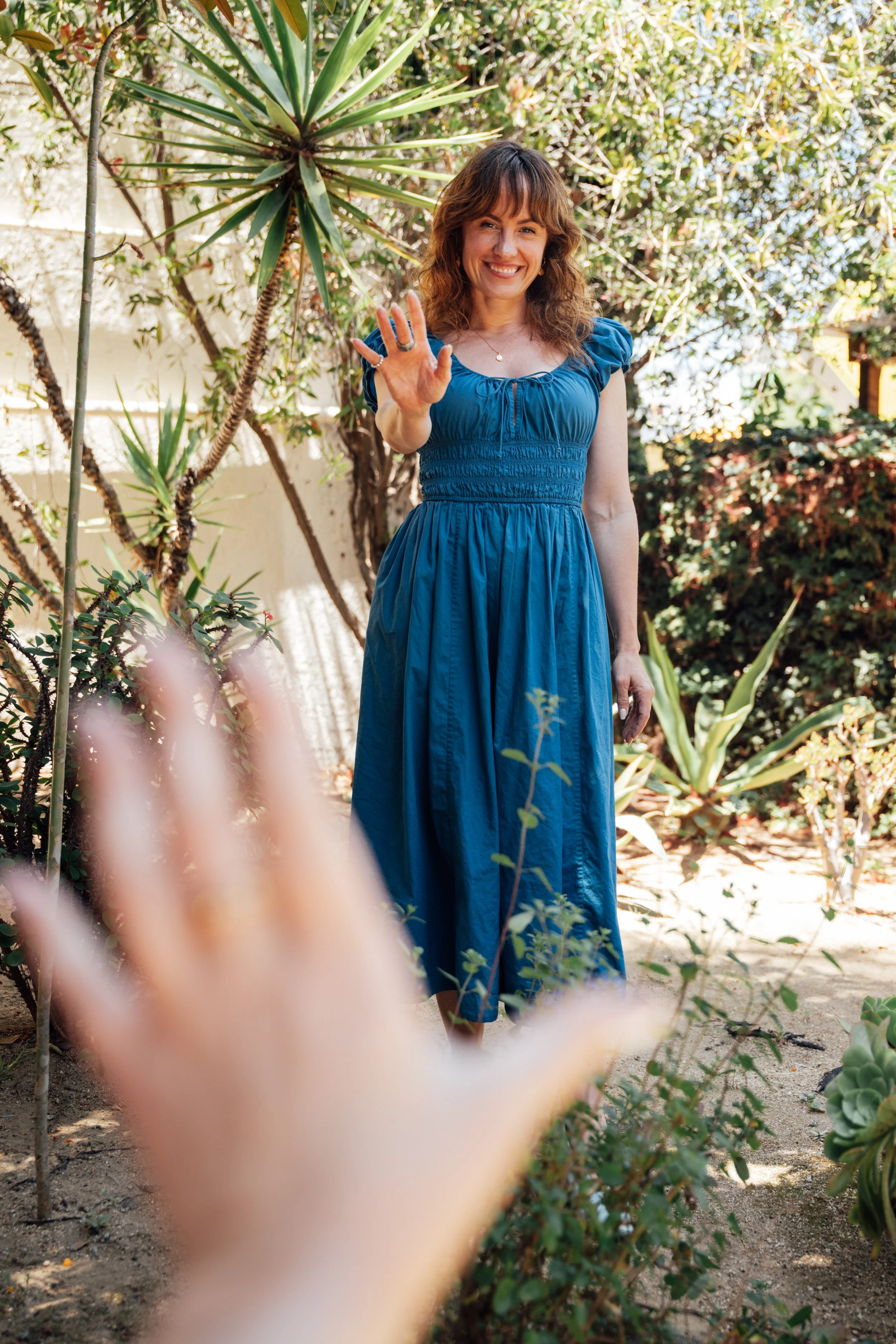
This story was created by Making Waves Project as part of Paths to Healing, a collection of stories exploring the thoughts, struggles, emotions, and experiences that often go unspoken.
Mental health touches every part of our lives, yet many of the conversations surrounding it remain tucked away in our heads, hidden in journals, or shared only with a trusted few. Through honest conversations with people navigating different challenges, perspectives, and healing journeys, this series aims to create space for the topics we don't always say out loud.
Each story offers a different lens into what it means to be human. From grief and loss to burnout, self-discovery, and healing, these conversations remind us that there is no single way to experience life. Our struggles may look different, but many of the emotions behind them are deeply universal.
Through this series, we hope to encourage curiosity, compassion, and connection. By sharing stories openly and honestly, we can reduce stigma, foster understanding, and remind one another that we are rarely as alone in our experiences as we think we are.
If you have a story you'd like to share, we'd love to hear from you. And if you are a brand or organization interested in partnering with us to tell meaningful stories, reach out at hello@makingwavesproject.com.
Follow along with Paths to Healing on our Instagram, and explore more stories at makingwavesproject.com/stories.