Phoebe Piper of Hive Tribe: Small Creatures, Big Impact
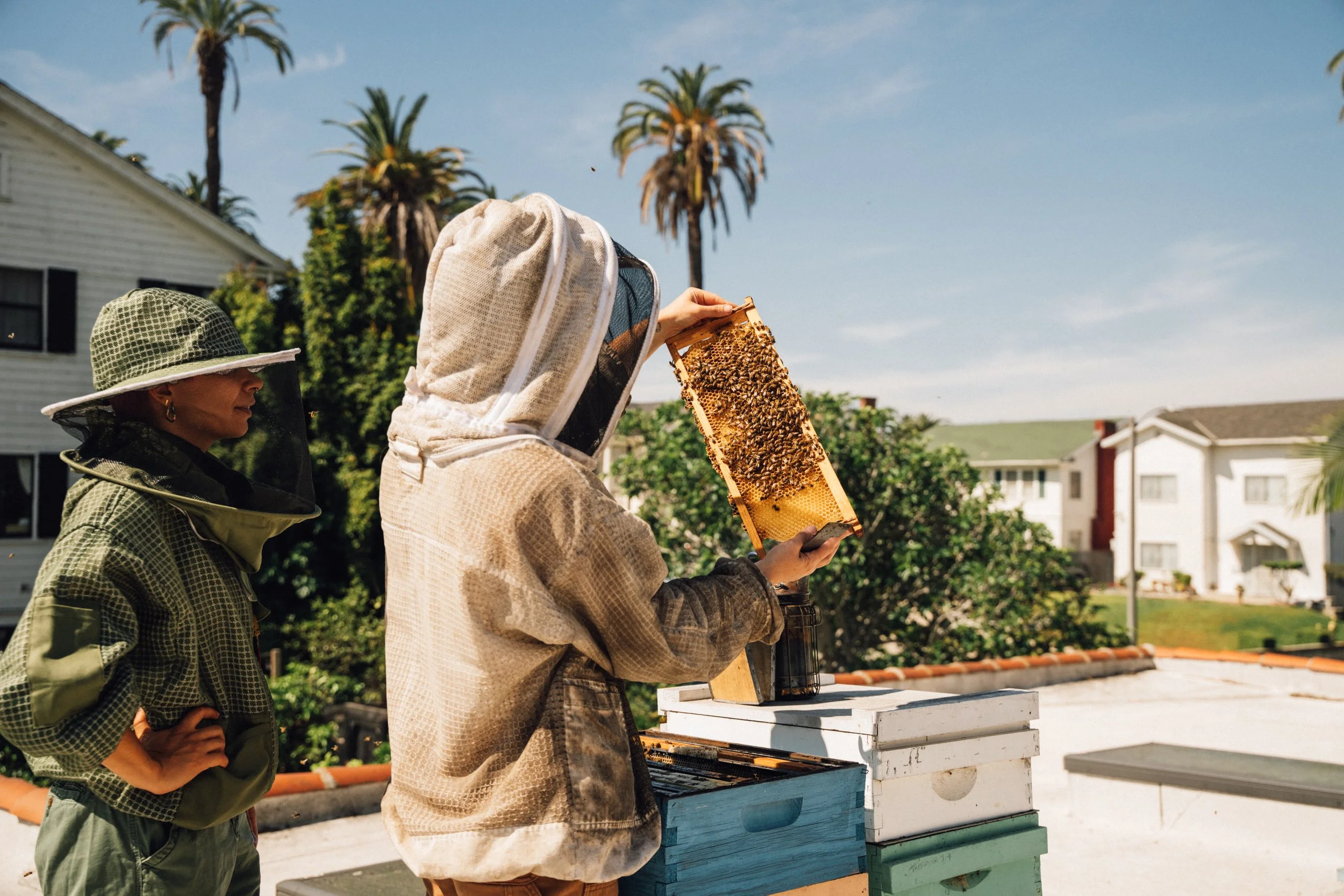
Phoebe Piper didn’t set out to become a beekeeper. What started as a simple job search quickly turned into something much bigger, something that would reshape the way she saw the world around her. “I was looking for a job in Los Angeles that was outdoors and working with animals, and I found a job as a beekeeper's apprentice with no experience whatsoever,” she says. “But that led me to this whole world of beekeeping that I just fell in love with.” From that moment on, bees became more than just a job. They became a way of understanding connection, nature, and the ecosystems quietly working all around us.
Today, Phoebe is the owner of Hive Tribe, a beekeeping company managing hives across Los Angeles. From urban gardens and rooftops to the Santa Monica Mountains, her work brings bees into spaces people might not expect. What began as a passion has evolved into a mission rooted in accessibility, giving people the opportunity to engage with their environment in a hands-on, tangible way.
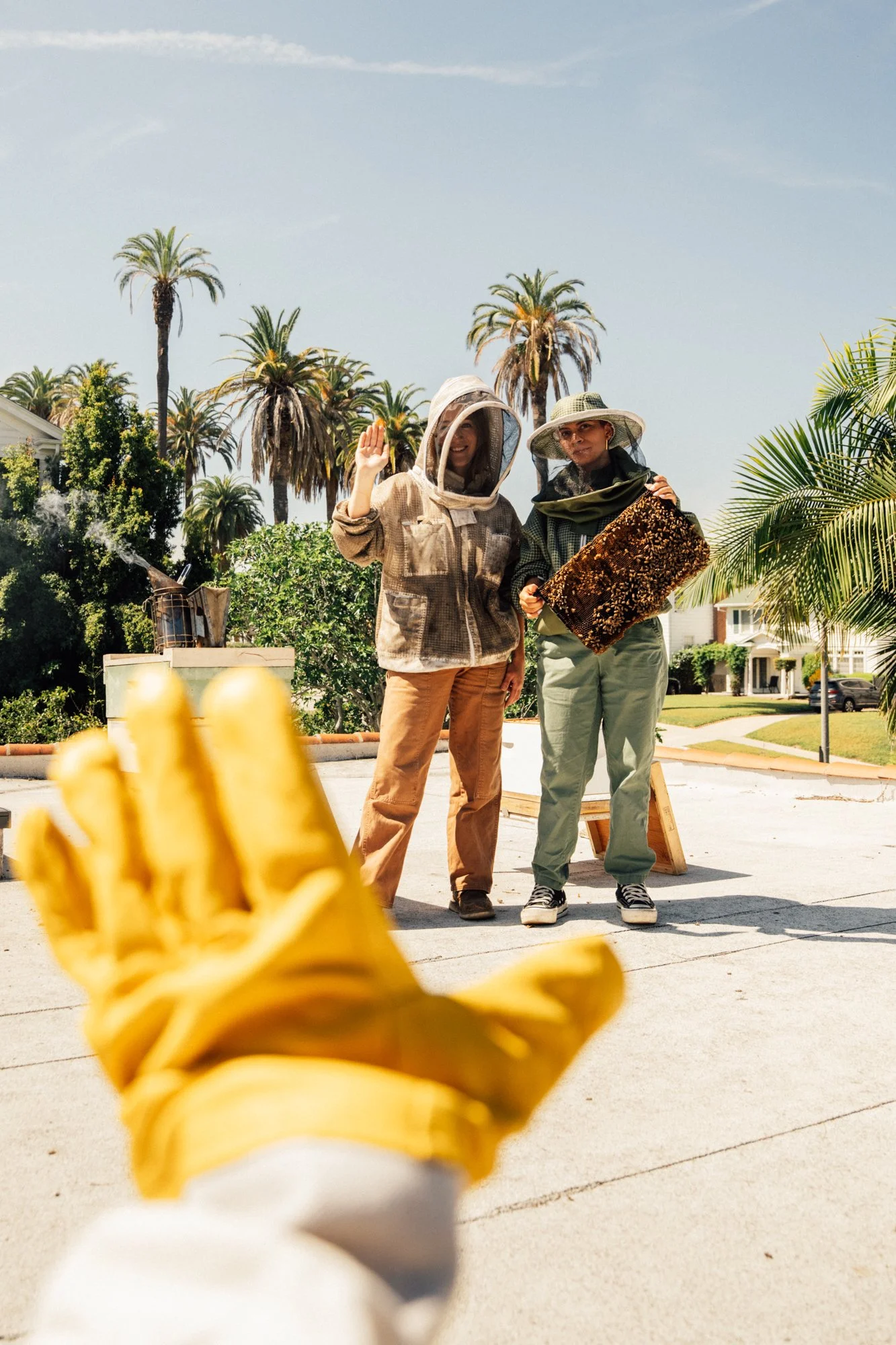
For Phoebe, the magic of beekeeping lies in how deeply interconnected it all is. “What really spoke to me is how bees are so intertwined with the environment around them and the ecosystems,” she says. In a city like Los Angeles, where nature can feel distant, bees reveal a different reality. “Even though people wouldn’t usually think of beekeeping in a city like LA, there’s so many gardens and backyards and trees along Los Angeles streets that bees benefit from,” she explains. With irrigation systems and a wide variety of plants, urban environments can actually provide consistent resources that help bees thrive, reframing the way we think about cities and their relationship to nature.
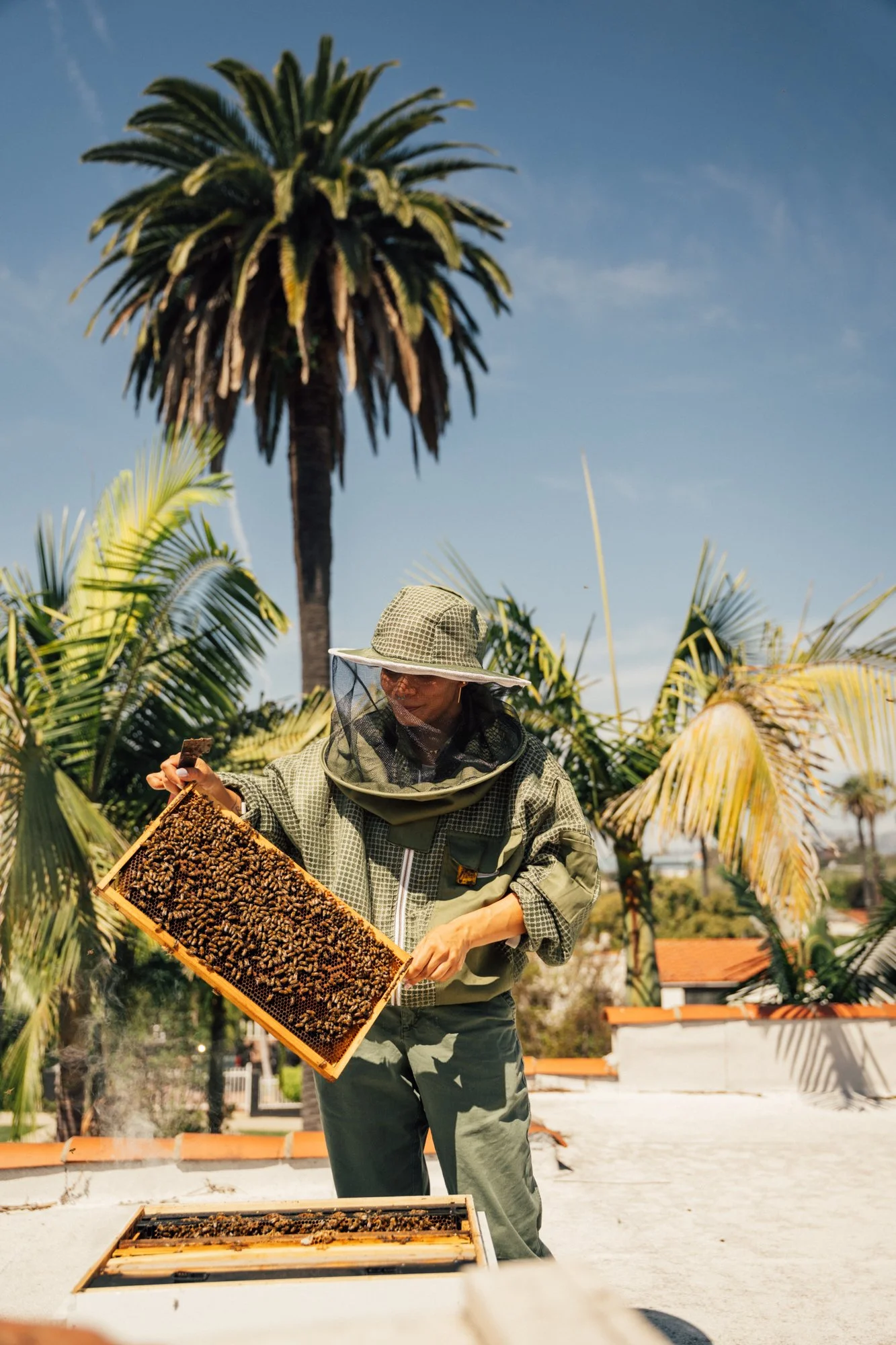
That connection is exactly why bees matter so much. They play a critical role in pollination, supporting the plants that shape our landscapes and food systems. “All of those plants depend on bees,” Phoebe explains. “They help to increase the yield and productivity of plants, the fruit quality, the flower quality.” Their work sustains biodiversity and abundance, often without us ever noticing. It’s a quiet, constant contribution that impacts everything from the food we eat to the ecosystems we rely on.
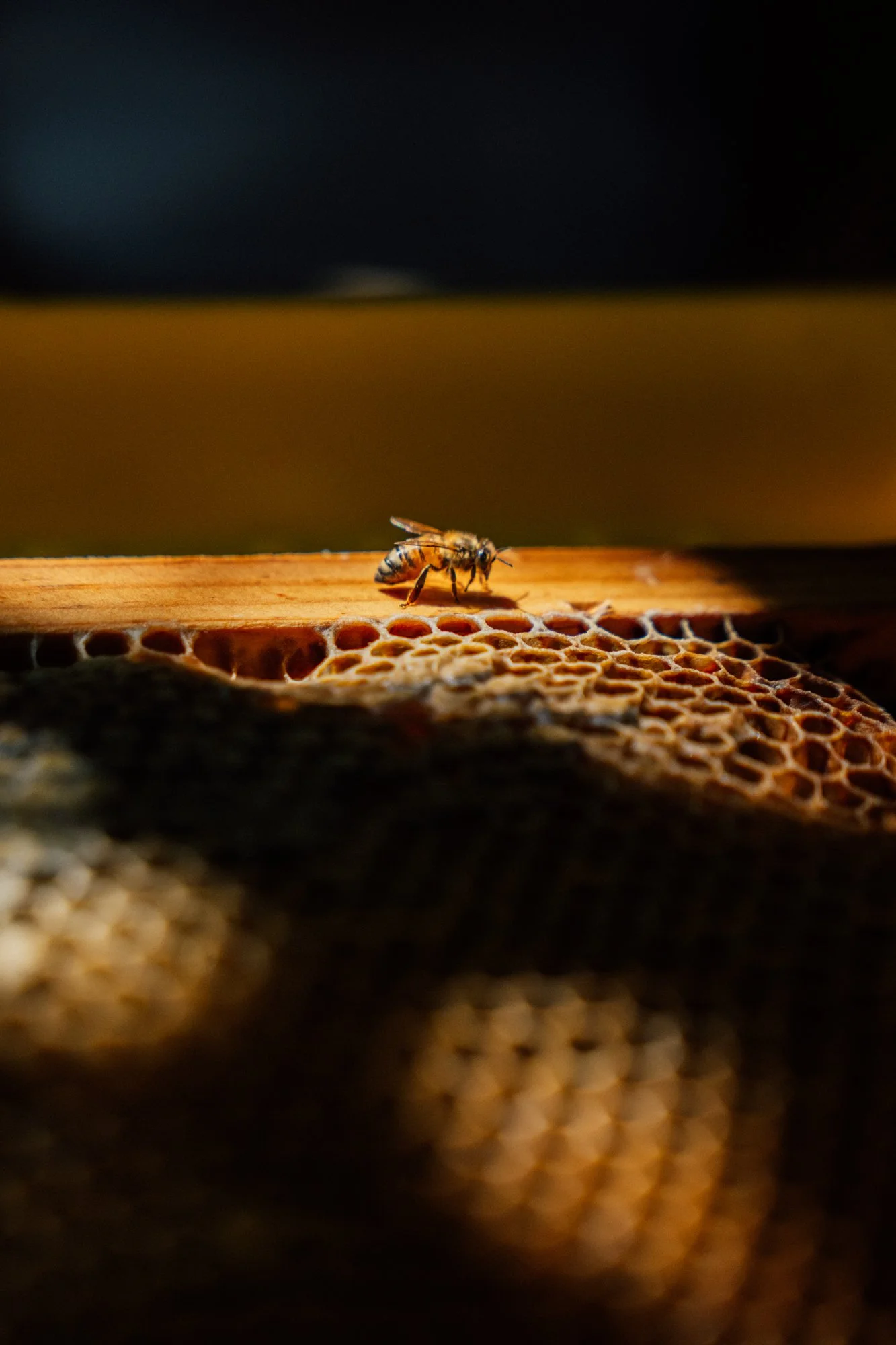
The process itself is just as intricate as the impact. “Bees collect nectar, that’s their form of carbohydrates and pollen is their form of protein,” Phoebe says. What happens next is a complex transformation. “They actually carry it back to the hive in their stomach,” she explains, before describing how “they regurgitate it, then it picks up an enzyme that allows it to turn into honey.” From there, bees fan their wings to evaporate moisture until it becomes the honey we recognize, sealing it into the honeycomb for storage. It’s a process that feels almost unbelievable in its precision, a reminder of how much is happening on a scale we rarely stop to consider.
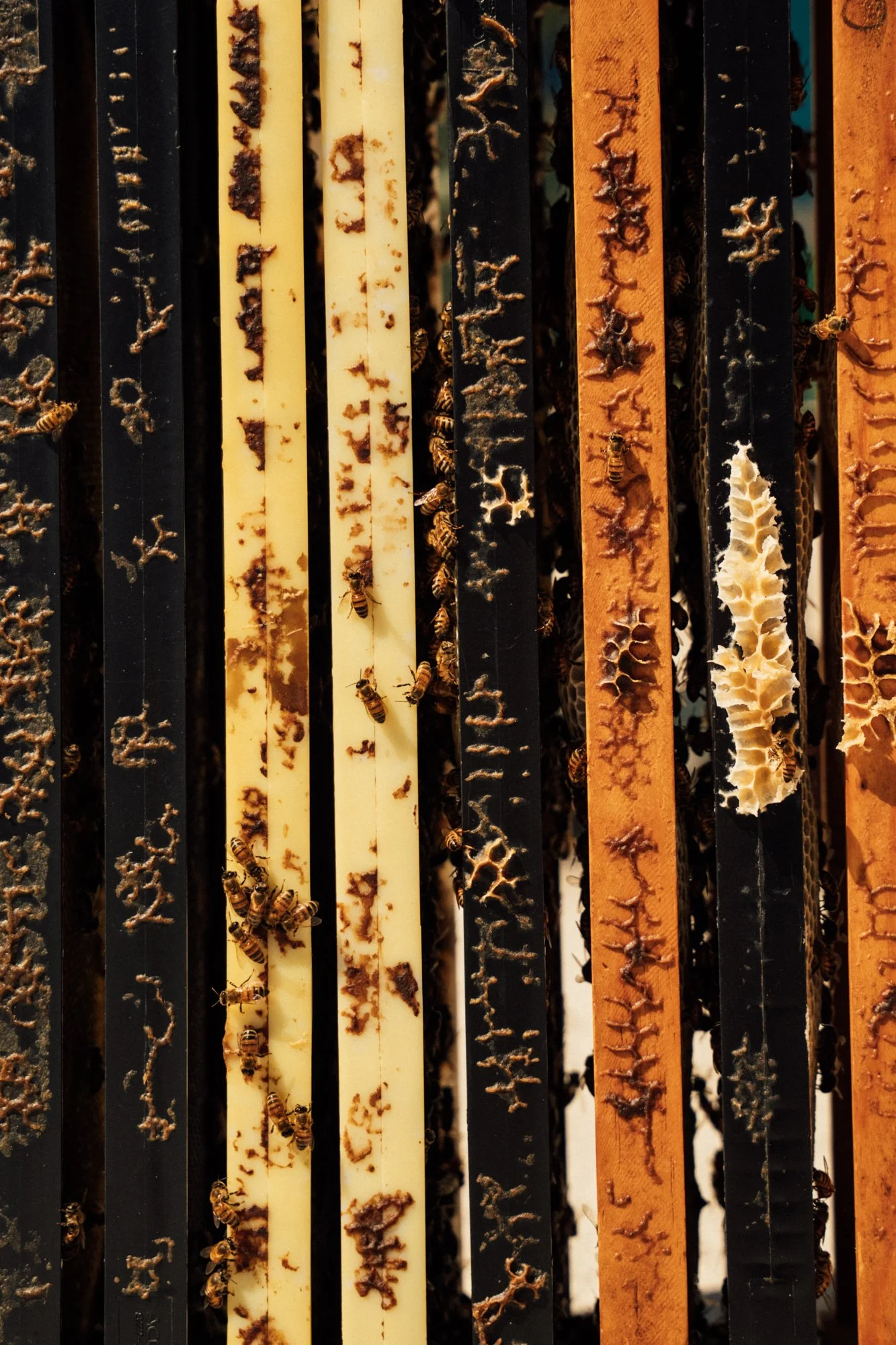
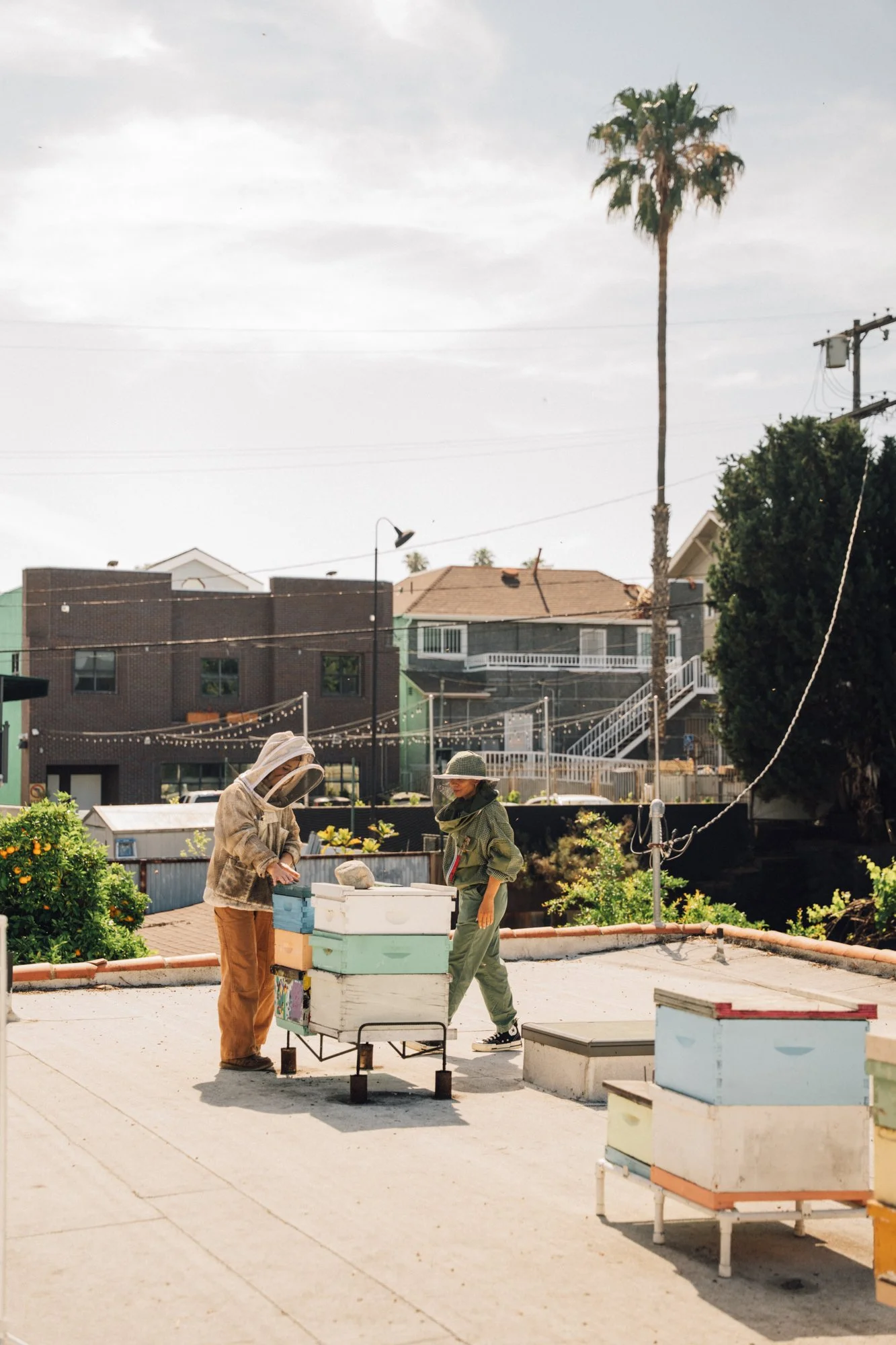
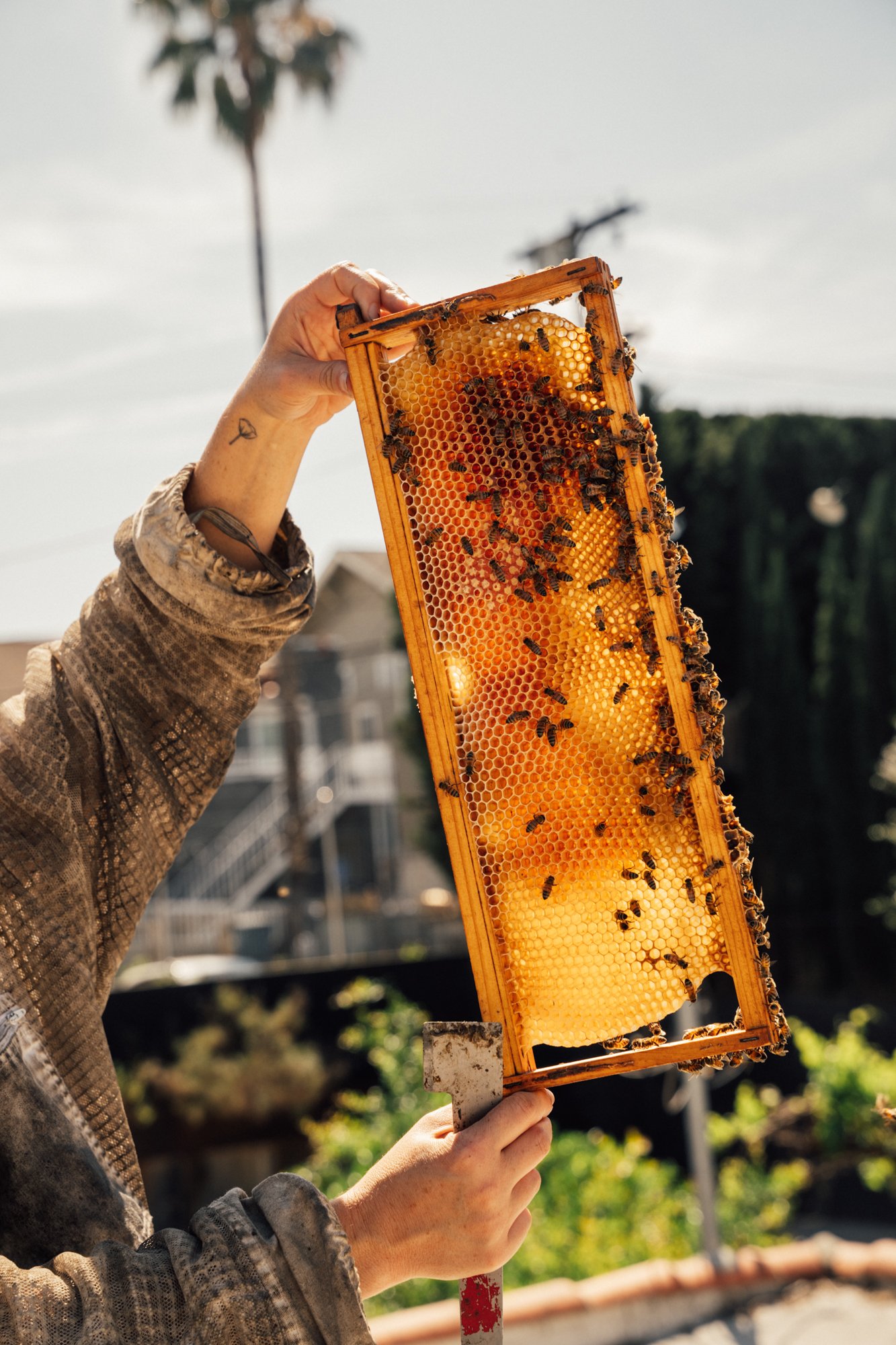
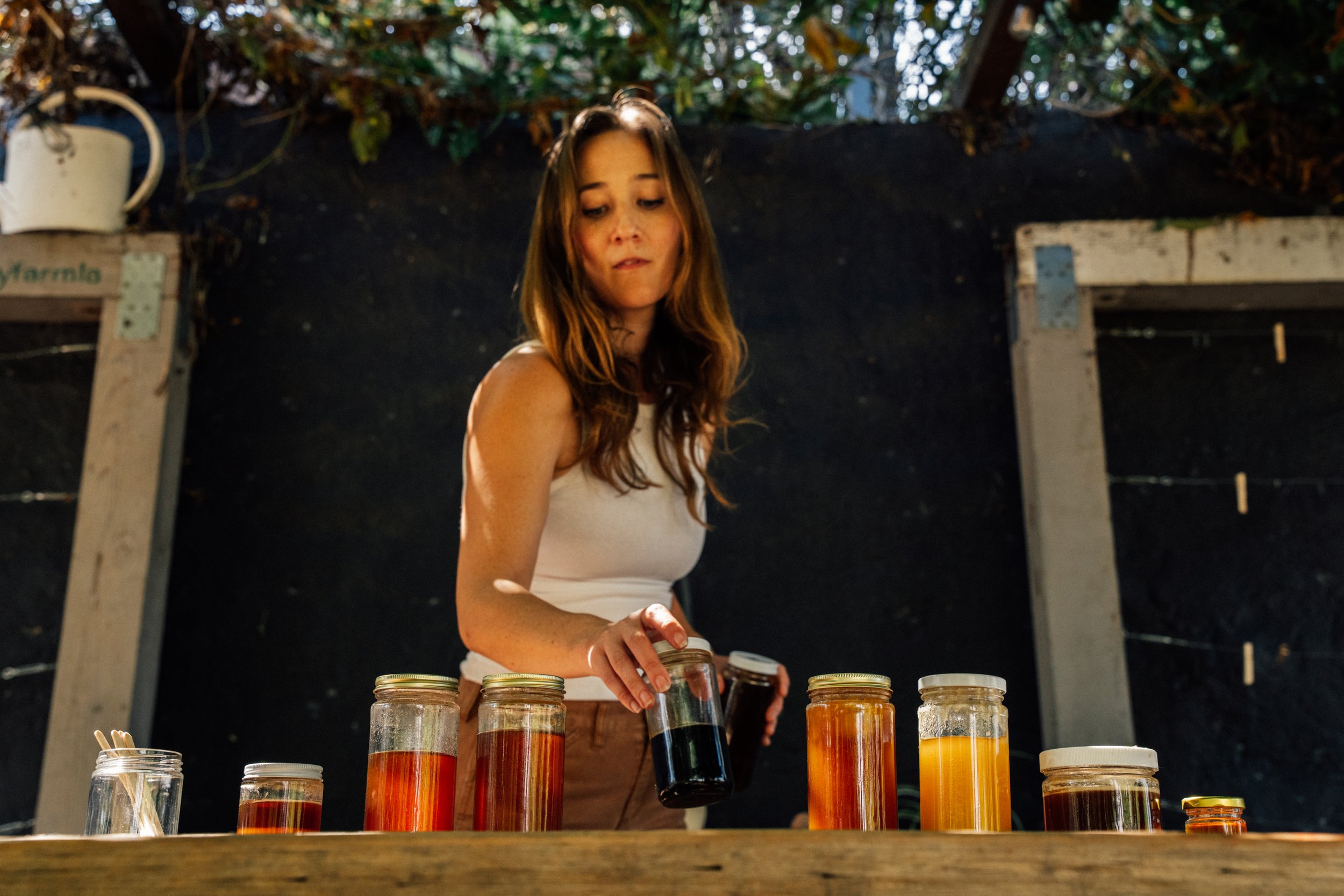
That same sense of wonder carries into the honey itself. Unlike the uniform jars found in grocery stores, local honey reflects the environment it comes from. “You’re going to see so much more variety in colors and flavors and textures and smells,” Phoebe explains. Each batch is shaped by the specific plants bees interact with, changing with the seasons and the landscape. “Each year, season to season, location to location, you’re going to see different varieties of honey,” she says. It becomes a direct expression of place, something both personal and deeply connected to the surrounding ecosystem.
Part of Phoebe’s work is helping people unlearn what they think they know about bees. Many people fear them, assuming they’re dangerous, but that’s rarely the case. “Most of the time, bees are not dangerous if you leave them alone,” she says. Through Hive Tribe’s workshops, she invites people to step inside a hive and experience something entirely new. “When people go into a beehive, it’s like this whole world is opened up to them,” she explains. What once felt intimidating becomes fascinating, even beautiful, as people begin to see bees up close and understand their role in the world.
That shift in perspective often extends beyond the hive itself. “Whenever you introduce a bee hive to your property, you end up seeing more birds and lizards and spiders and other insects,” Phoebe says. A single hive can transform a space, bringing new life and energy into a backyard and revealing just how interconnected everything really is. It’s a visible reminder that small changes can create ripple effects throughout an ecosystem.
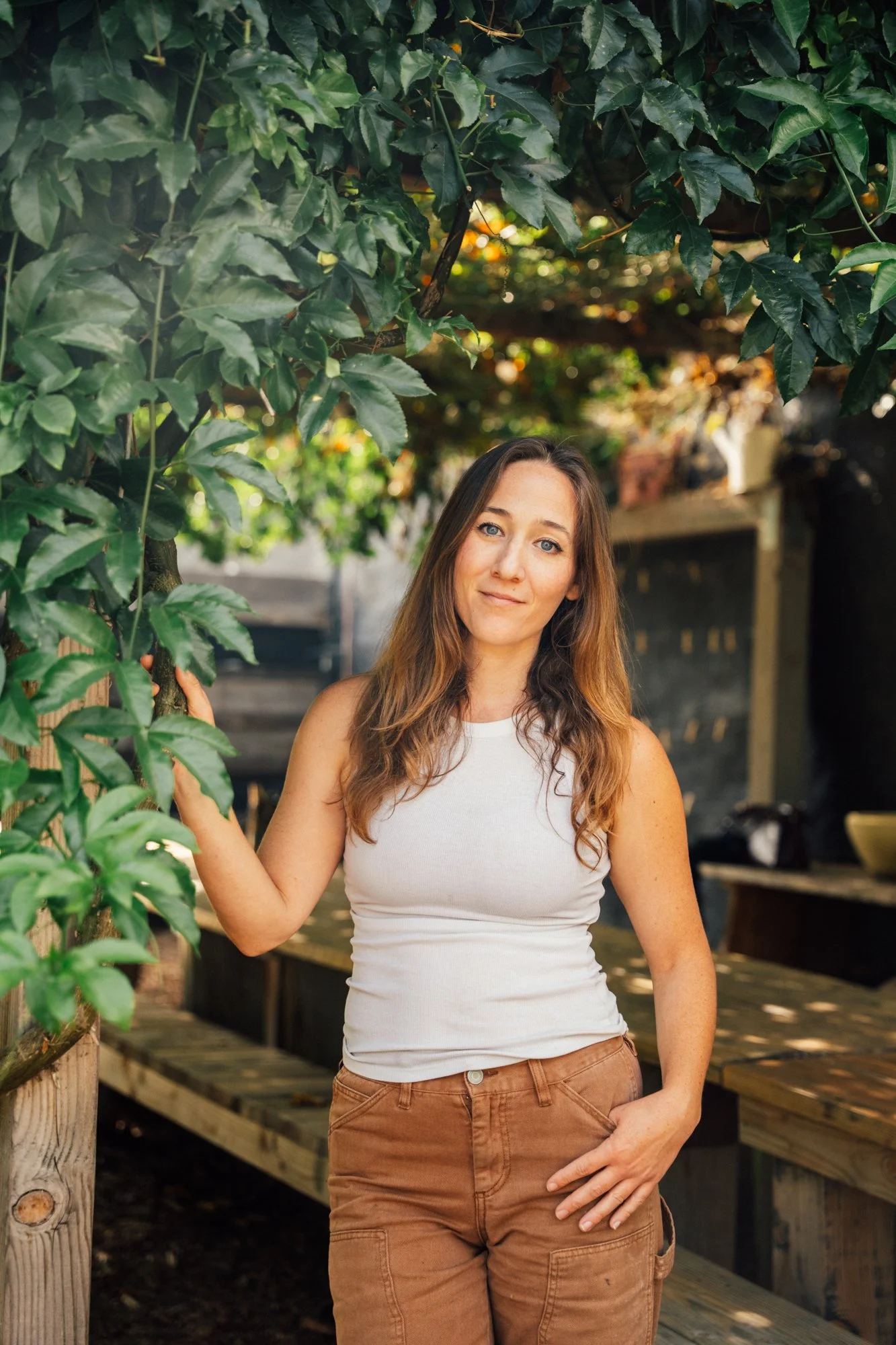
At its core, Phoebe’s work is about connection. Connection to nature, to community, and to something larger than ourselves. For those interested in starting their own hive, she emphasizes that it’s not something you have to do alone. “The most important thing is to find a community,” she says. Learning from others and sharing knowledge is part of what makes beekeeping so impactful, turning an individual practice into something collective.
That sense of shared understanding is also what makes the work so rewarding. “I think the most rewarding part for me is educating people and seeing the way that people’s views on bees and other insects and pollinators change,” she shares. It’s not just about bees, it’s about shifting perspective, helping people recognize that nature isn’t something far away. It’s something happening all around us, all the time.
And when people start to see that, something else begins to change too. They feel more connected, more invested, more aware of their impact. As Phoebe puts it, “I make waves by showing people how something as small as a bee can make a huge impact on the world around it.” It’s a simple idea, but one that carries weight. Because in understanding bees, we begin to understand something much bigger: how even the smallest parts of our ecosystem hold the power to shape the world.
If you’re curious about starting your own hive or want to attend one of their local workshops, you can learn more athttps://thehivetribe.com/. You can also follow Hive Tribe on Instagram for real-time updates and a closer look at their work: @HiveTribeBees.
This story was created by Making Waves Project as part of The World Around Us, our April series exploring the many ways people connect with, care for, and learn from the natural world. Through conversations with individuals whose work is rooted in the environment, these stories highlight how curiosity, passion, and everyday actions can shape a deeper relationship with the earth.
From urban beekeeping to foraging and water tasting, each story offers a different lens into how we experience nature, even in the middle of a city. Together, they remind us that connection doesn’t have to be complicated or far away. It can start right where you are, with a shift in perspective and a willingness to pay attention.
Through this series, we hope to inspire a sense of curiosity about the world around us and encourage small, meaningful ways to engage with it. Whether that means learning something new, spending more time outside, or simply noticing what’s been there all along, every step toward connection has the potential to create impact.
If you or someone you know has a story connected to the earth or environment, we would love to hear from you. And if you are a brand interested in partnering with us to tell more stories like this, reach out at hello@makingwavesproject.com.
Follow along with The World Around Us on our Instagram and YouTube, and explore more stories at makingwavesproject.com/stories.