Vanshika Chikara: Henna As A Living Tradition
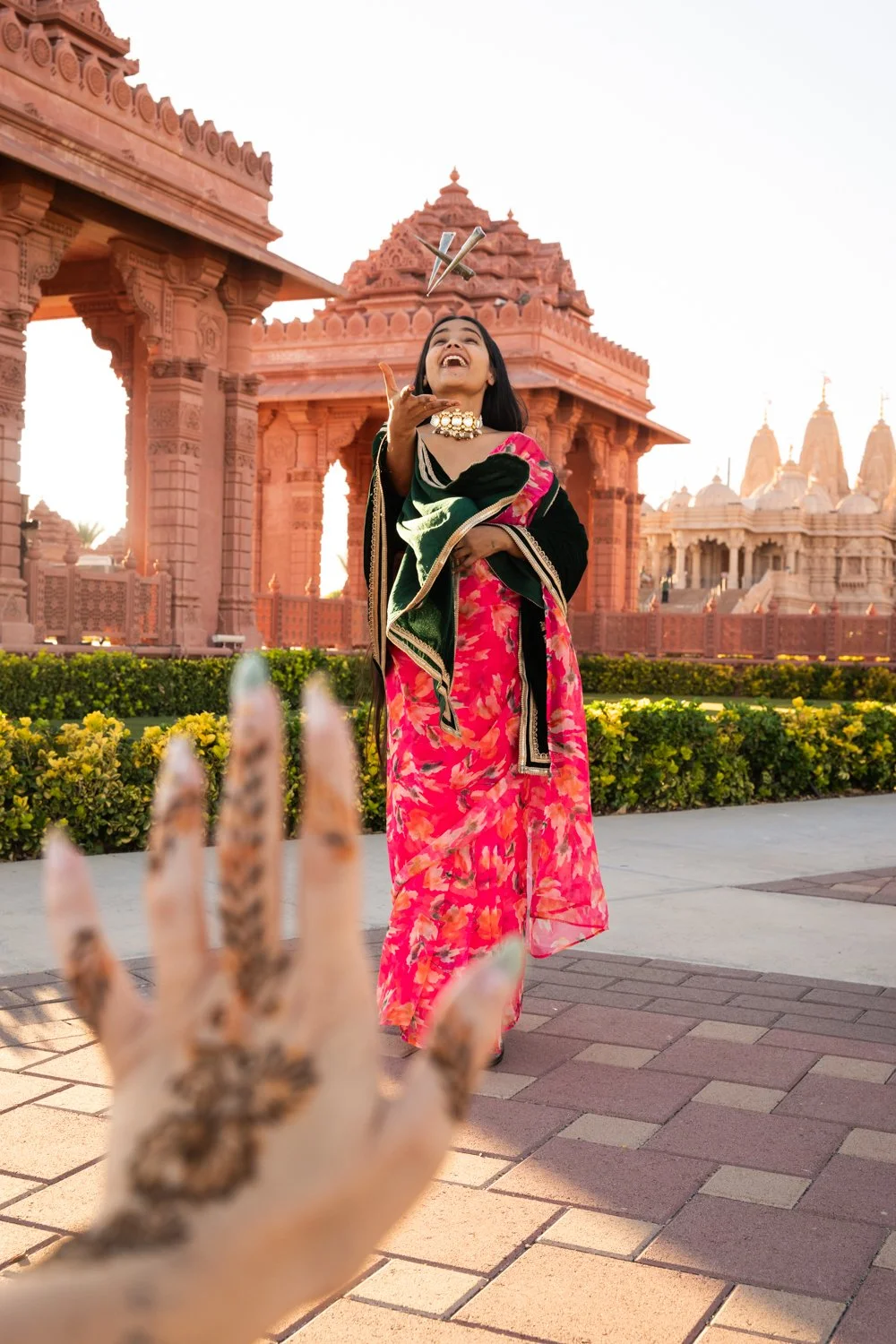
In a quiet home studio in Southern California, the scent of henna lingers in the air. It’s earthy and grounding, the kind of smell that carries memory with it. This is where we met Vanshika Chikara, a henna artist who moved to the U.S. from India and now carries an art form that has lived through generations, rituals, and constant evolution.
Henna, or mehndi, is more than decoration. It’s memory, medicine, celebration, and connection. And for Vanshika, it all started with a moment she still remembers clearly.
“I fell in love with henna. I had a very core memory from my childhood,” she shared. “It was my neighbor's wedding and I remember my grandma having that little stick like a matchstick thing and this henna paste. And she did on my hand, drew a line and leaves.”
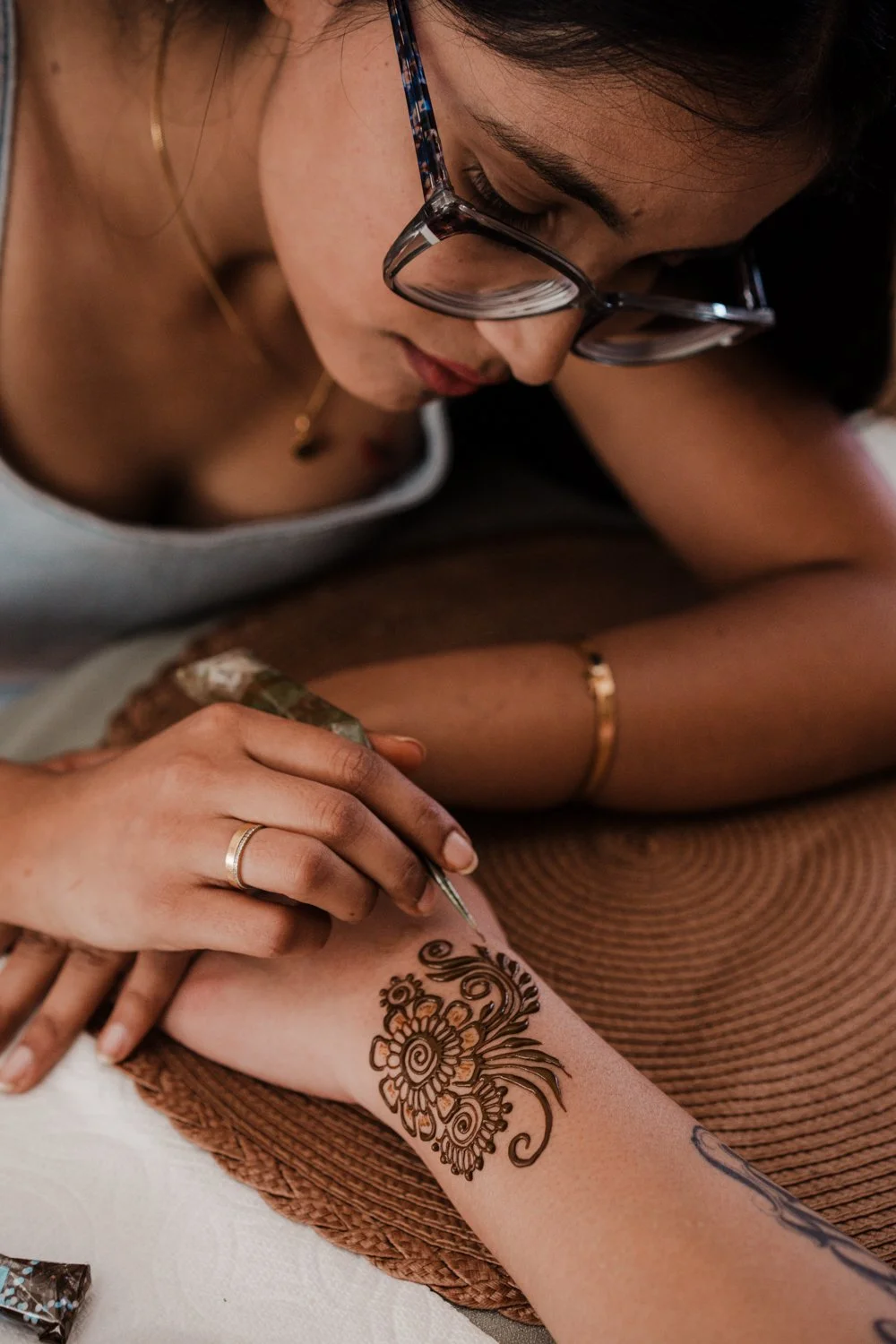
That simple act stayed with her. Over time, she watched the practice change shape while keeping its heart intact. “I have seen how it has evolved from that small stick to these cones,” she said. “I have seen how it has been passed from generation to generation and how it has evolved. Doing it in a raw form and now doing it as a professional.”
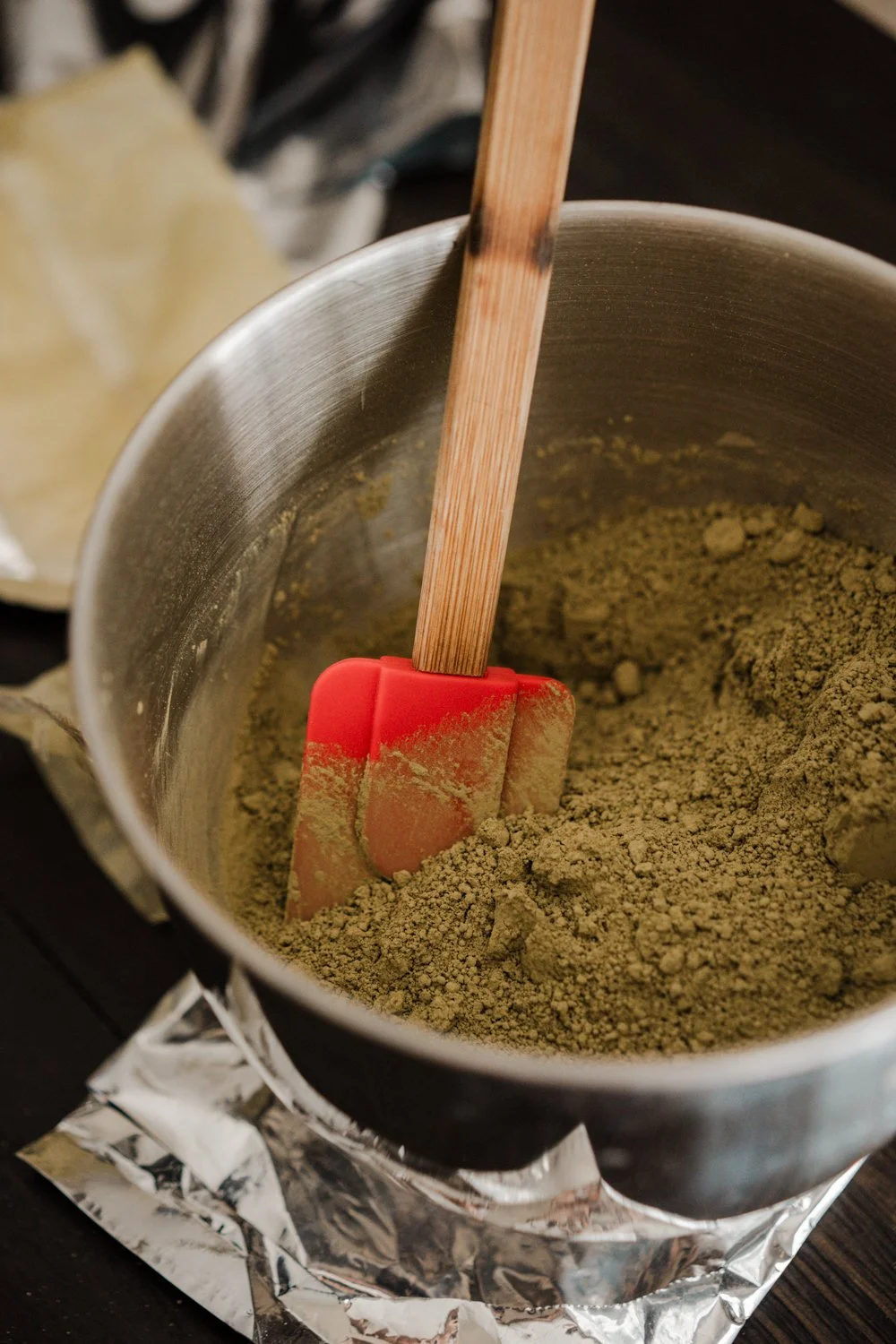
Growing up, henna wasn’t precise or polished. It was communal. It was messy. It was fun. Vanshika remembers when henna was applied in bulk, hands wrapped carefully so the paste wouldn’t smear. “I remember that my mom used to have bulk paste, put it in our hand, and we close our hands and she woould wrap it with a bag or polythene so that we didn't mess all around and we sleep on it,” she said. “We used to wake up with a very dark henna stain on our hands and get so excited.”
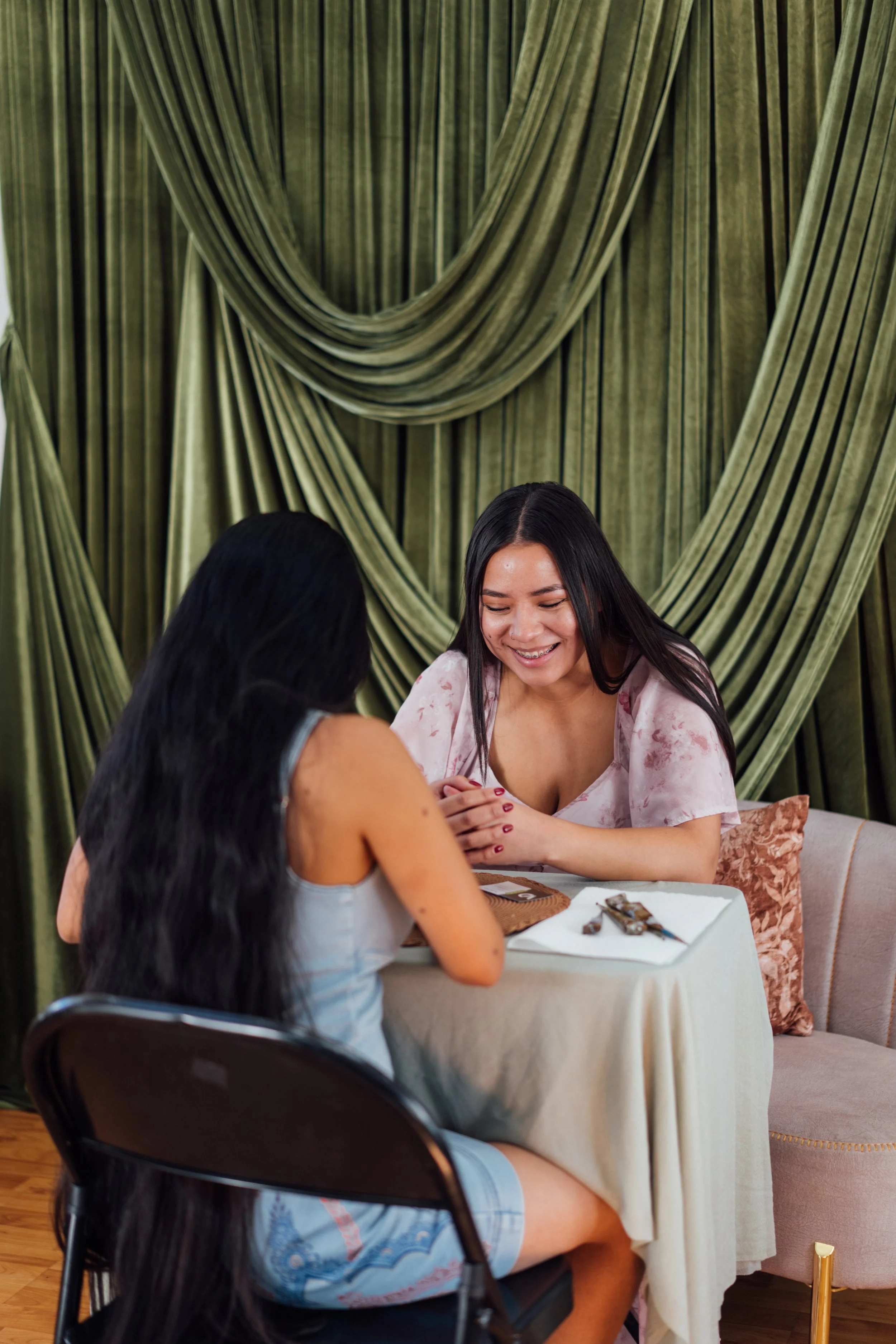
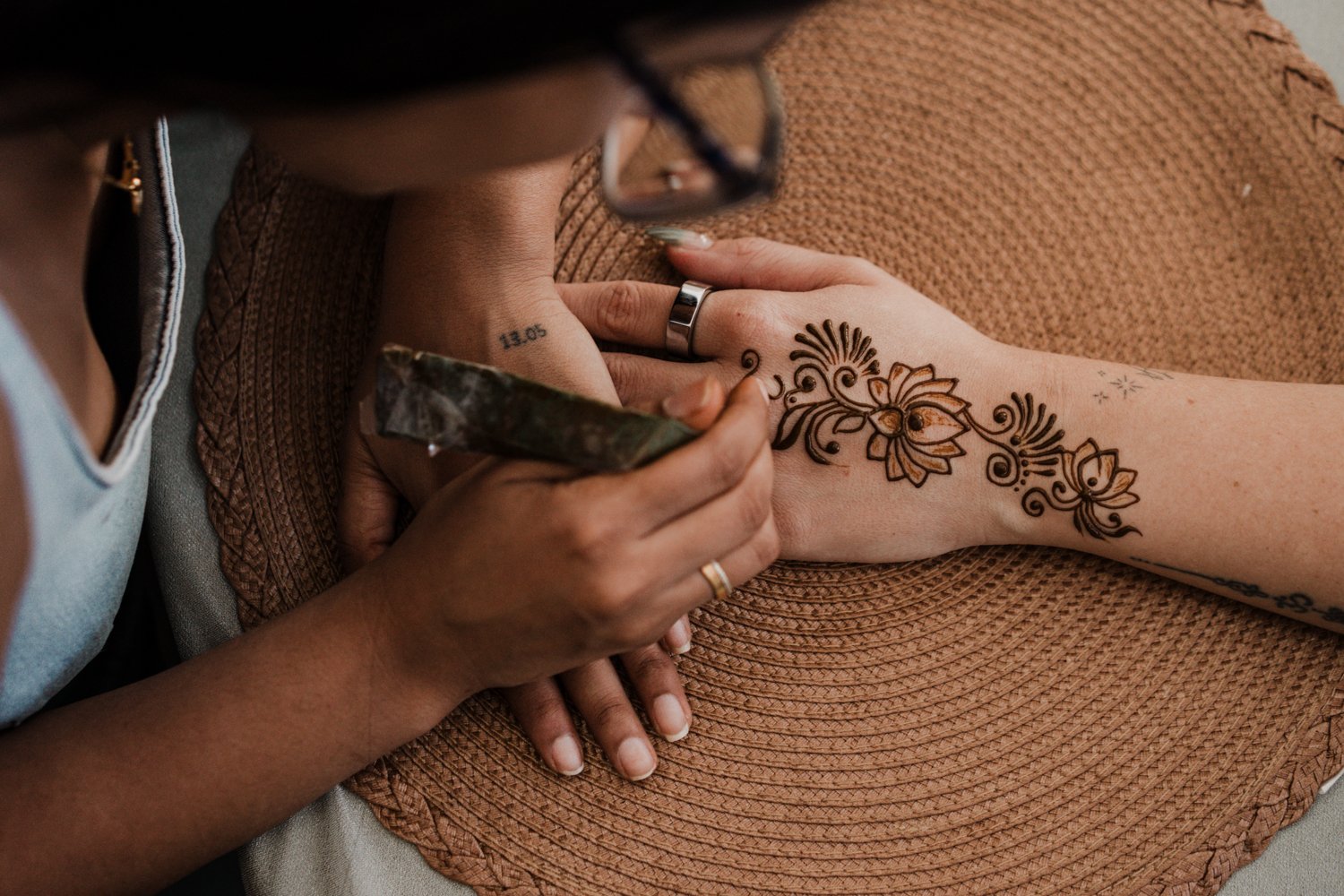
Today, the tools are different. The process is refined. Vanshika now makes her own cones and creates intricate designs with intention and skill. But the meaning hasn’t disappeared, it’s expanded.
Before henna became a body art, it served another purpose. “Most people don't know that before being a part of culture, it had a very significant medical property,” Vanshika explained. “It has healing properties on wounds and some certain burn areas… People used to use it to make their body temperature feel cooler.”
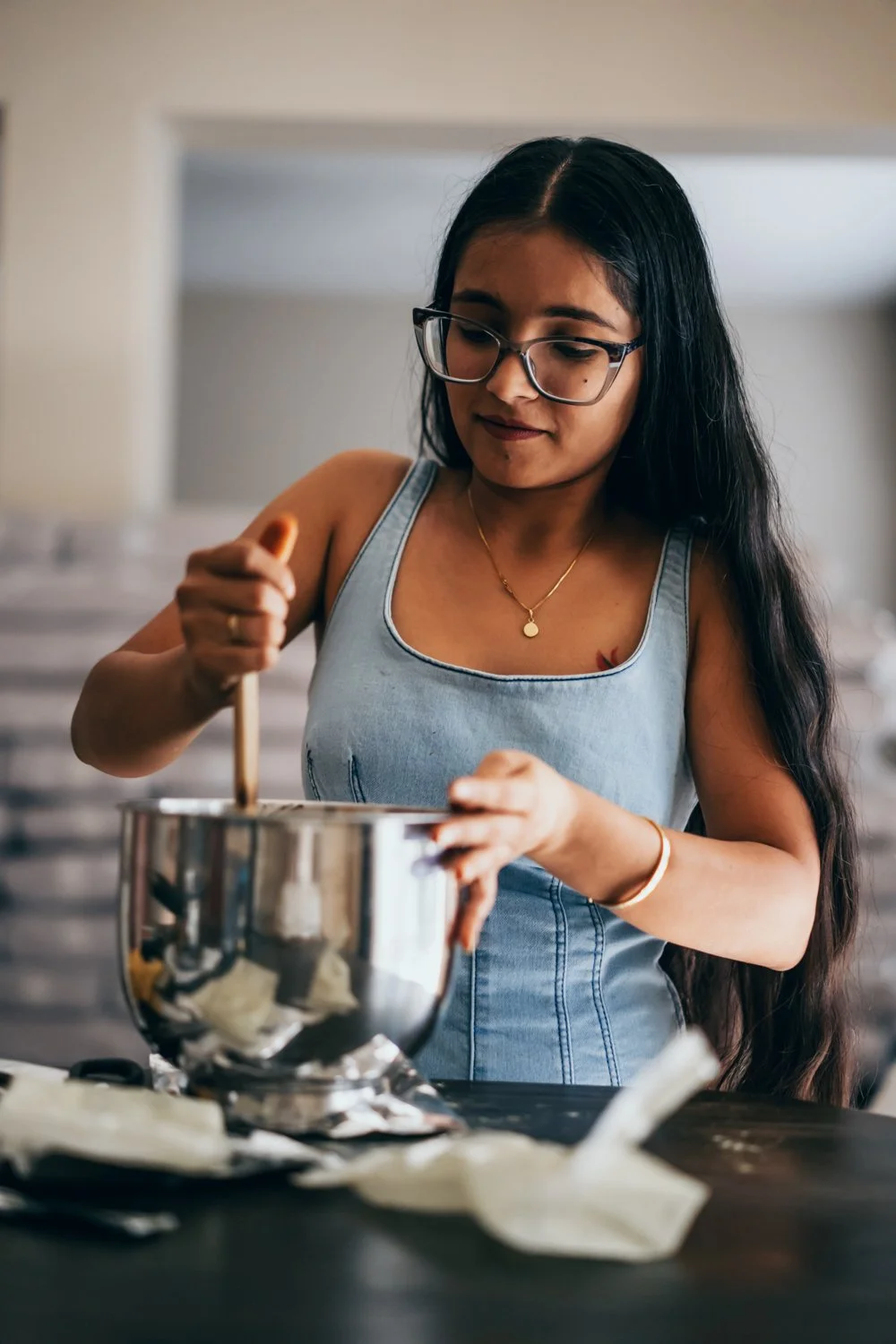
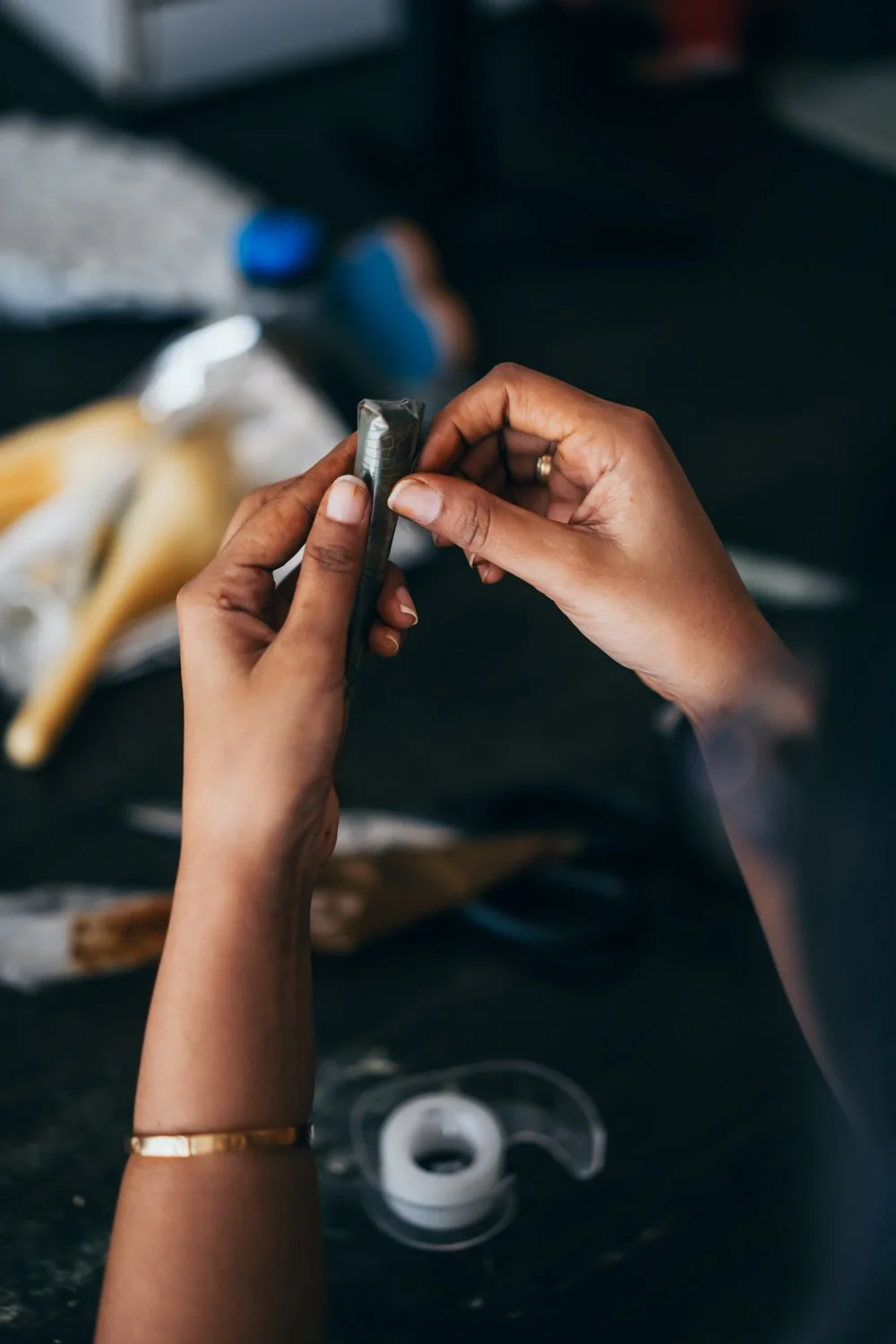
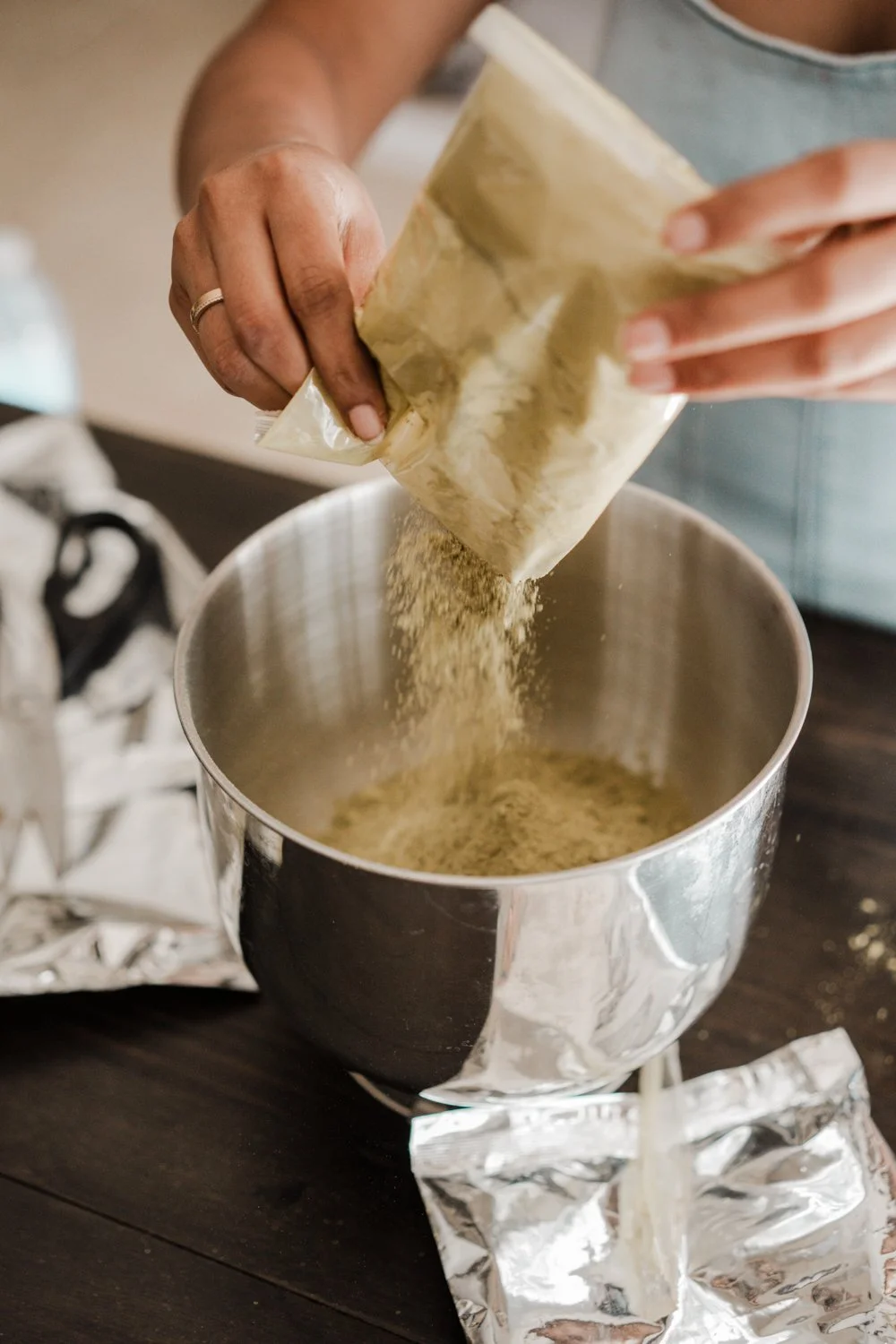
Over time, henna transformed into something celebratory, deeply woven into gatherings and milestones. “From the brides to the bridesmaids, the whole family,” she said. “This beautiful art brings the whole family, the whole village together to sit and do it at one time, chit chat, laugh and dance.”
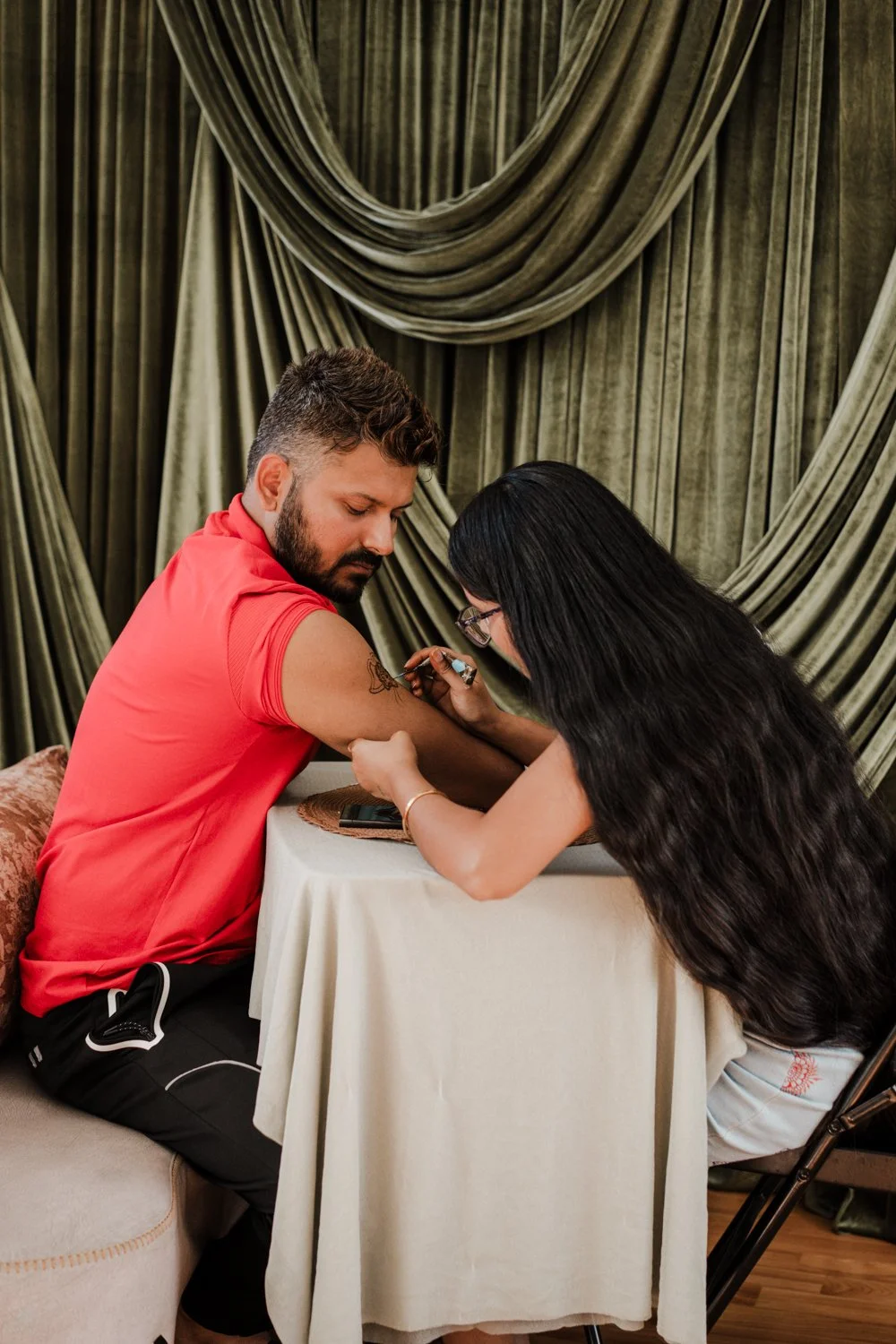
That sense of togetherness is something Vanshika feels every time she works. “This beautiful art form is connecting people,” she shared. “I don't know who I'm doing the henna to, but when I do henna, I start talking to that person. We start talking about each other and this beautiful communication begins.”
Henna is often misunderstood as something meant only for women or specific cultures. Vanshika is quick to challenge that. “Everyone comes to me and ask, hey, is henna just for the women? No, it's for everyone,” she said. “Everyone can enjoy this beautiful art form.”
As she’s continued her practice, henna has helped her reconnect with her own roots in unexpected ways. “To be very honest, I was not a very cultural person,” she admitted. “But since I started doing henna, I started feeling more blessed about how beautiful my culture is.”
Through her clients, she continues learning. “Every time I do it for any Indian people, they tell me their stories about henna,” she said. “And culture doesn't have to be exactly the same for everyone… Meaning would be the same unity, kindness. But there's different ways to cherish it.”
One story in particular has stayed with her. A bride came to her early one morning, nervous and excited. “She never had a henna before, but her spouse was Indian,” Vanshika shared. Instead of choosing a traditional design, the bride made it personal. “On one hand she got heer whole family's names… On the other hand, she got all in law's name. She was like, ‘I don't want anybody to feel left out.’”
“That touched me,” Vanshika said. “How both families are equal and how much it meant to her.”
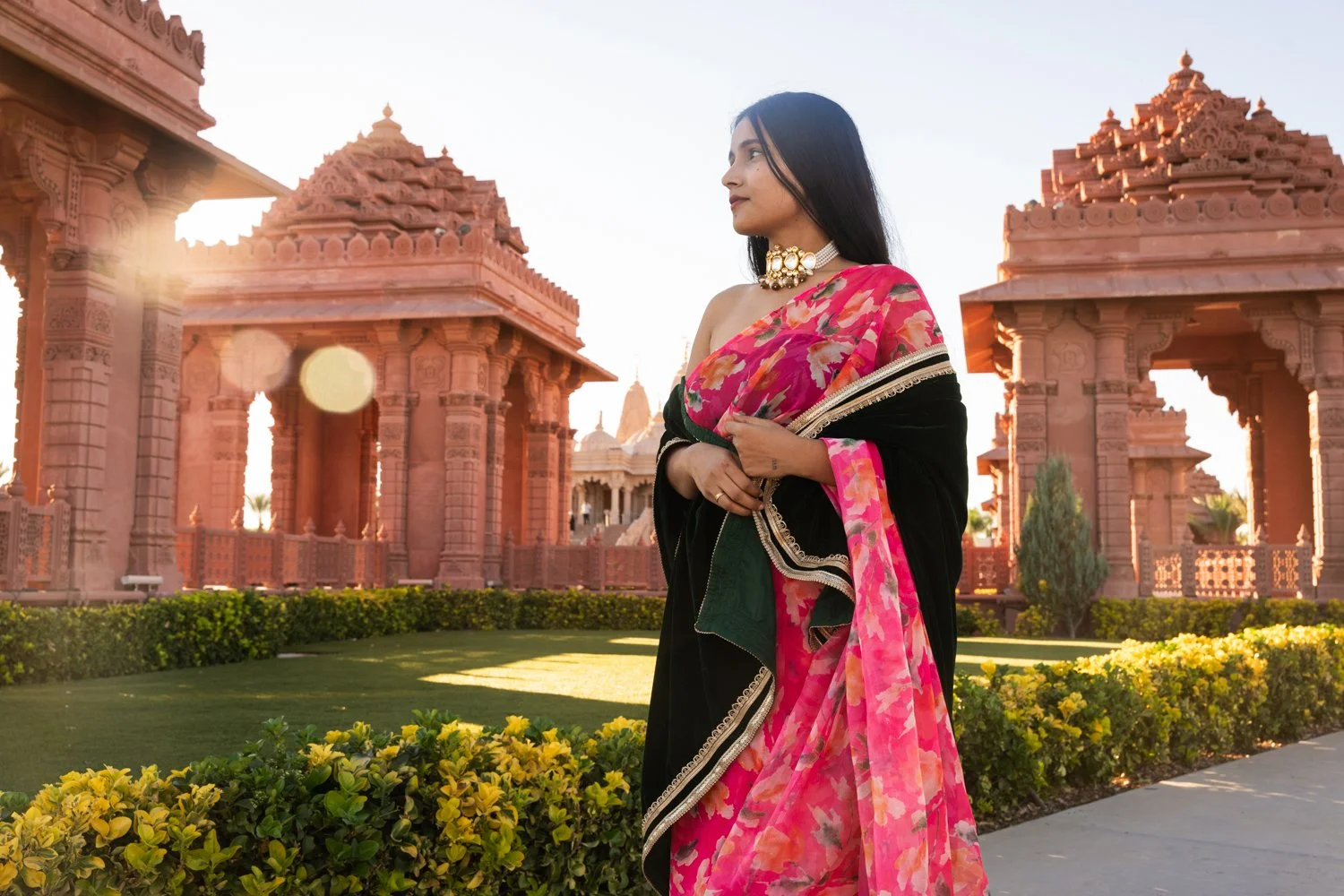
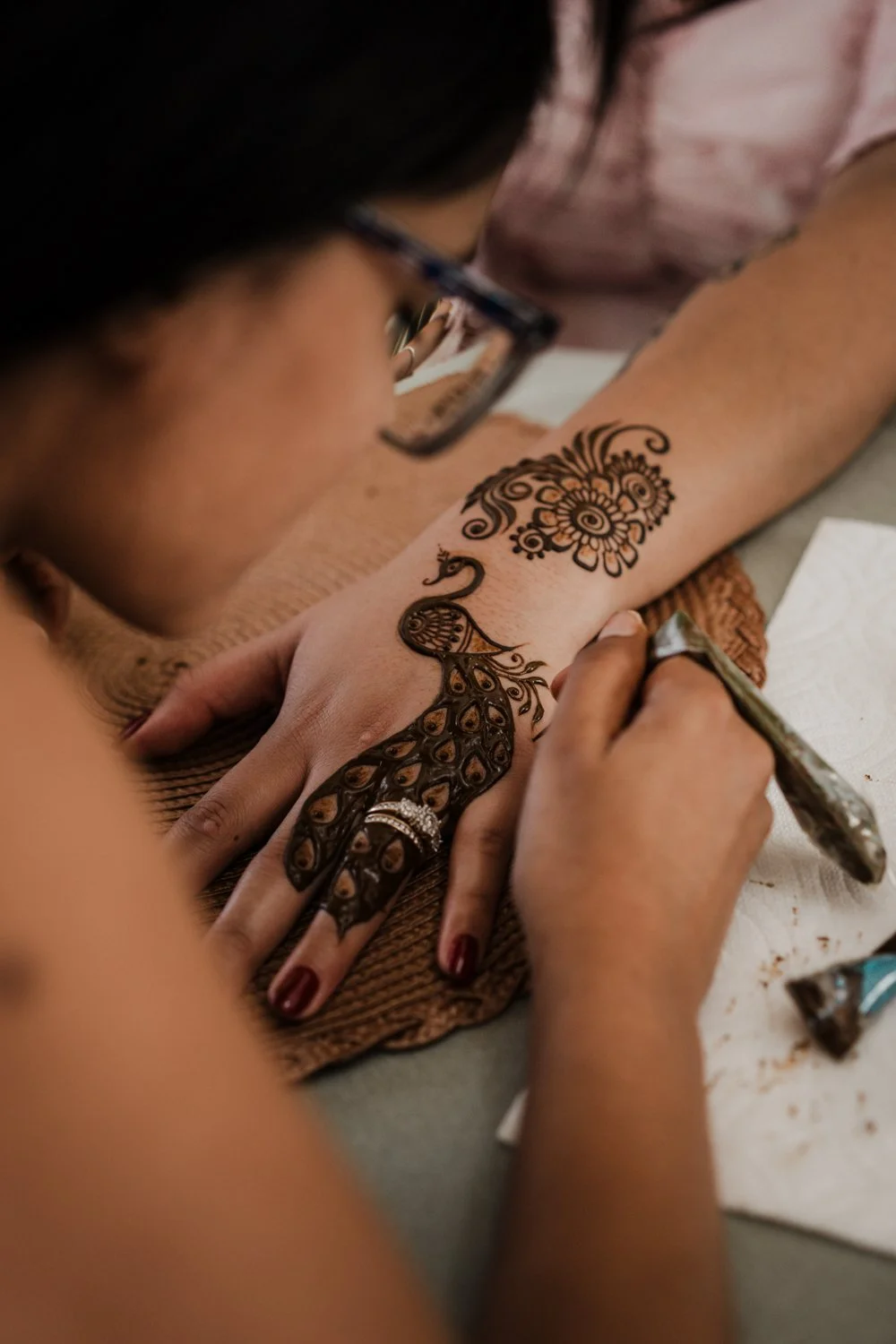
Henna designs themselves carry layers of symbolism. “In Indian henna, most of the time, we use peacocks that symbolize prosperity and beauty. And the lotuses,” she explained. “They are planted in the mud, but it comes out so beautiful. No matter where it comes from, it is beautiful.”
While traditions guide the art, Vanshika loves how flexible it has become. “Now there's no such restrictions,” she said. “You can do whatever you want, what you feel like doing.”
When asked what tradition means to her, Vanshika returned to the idea of togetherness. “I like how our tradition brings all people together,” she shared. “We sit, eat together and do henna… it is a very beautiful art form that's always cherished and always being passed on at every festival.”
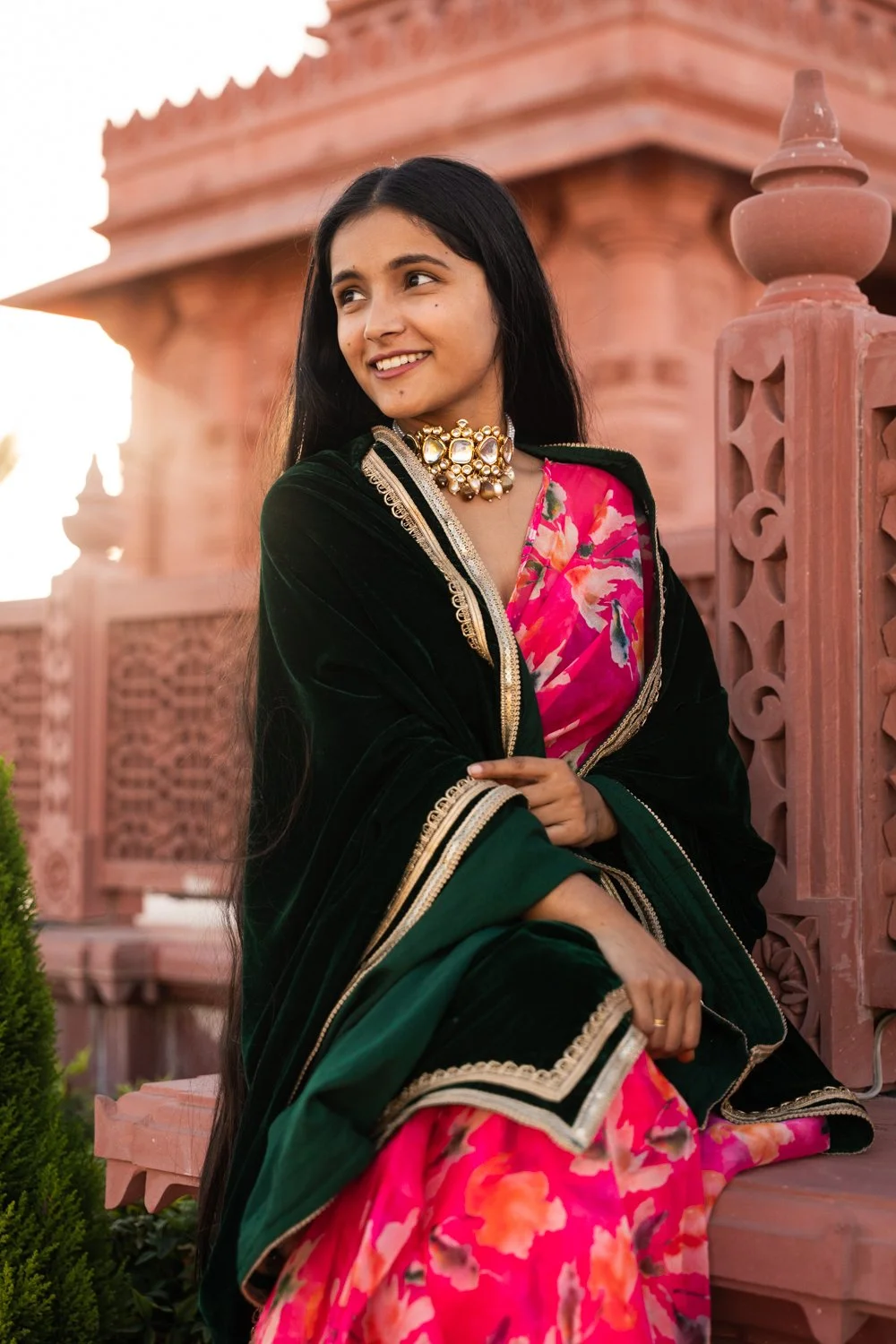
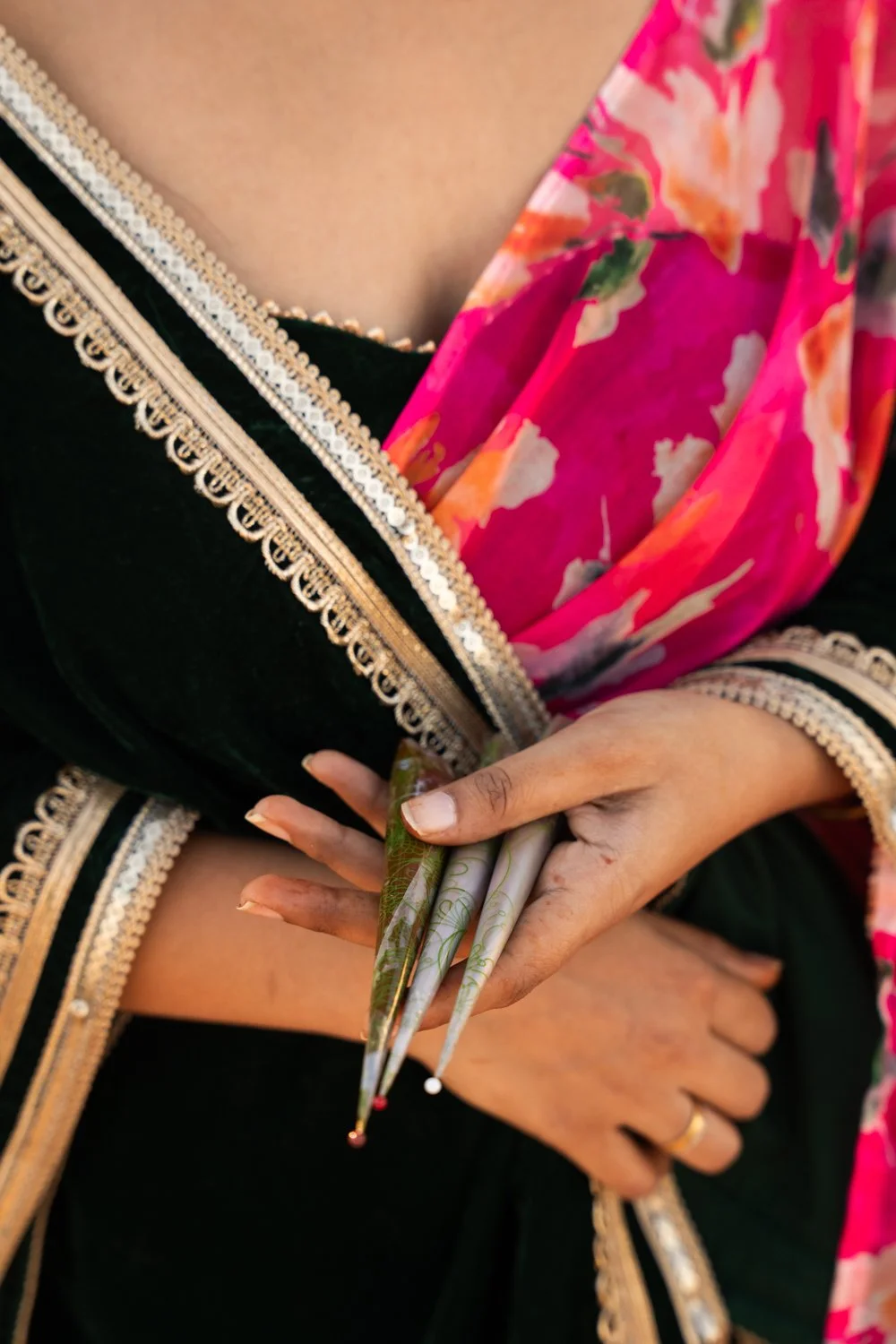
Henna continues to grow, adapt, and reach new audiences. “It is growing really fast,” Vanshika said. “It's everywhere on social media, at every festival, even at raves, you can see people doing henna and flaunting it.”
For her, carrying this tradition forward is both an honor and a responsibility. “I make waves by passing this beautiful art form to new generations and new people.”
This story was created by Making Waves Project as part of Traditions: Stories We Keep, our series exploring the customs, rituals, and personal histories that connect us to our past and to each other. These stories remind us that tradition is alive and always evolving, shaped by the people who carry it forward.
By sharing these moments, we hope to honor the ways culture is passed down, reimagined, and kept alive, and to celebrate the roots that shape who we are today.
If you or someone you know has a tradition that deserves to be part of Making Waves Project, we would love to hear from you. And if you are a brand interested in partnering with us to help tell more stories like this, reach out at hello@makingwavesproject.com.
Follow along with Traditions: Stories We Keep on our Instagram and YouTube, and explore new stories at makingwavesproject.com/stories.
Photography by Robiee Ziegler
Produced by Katie Caro
Post Production by Kelly Budish