Jason Wise: The Connection Between Nature, Community, and Care
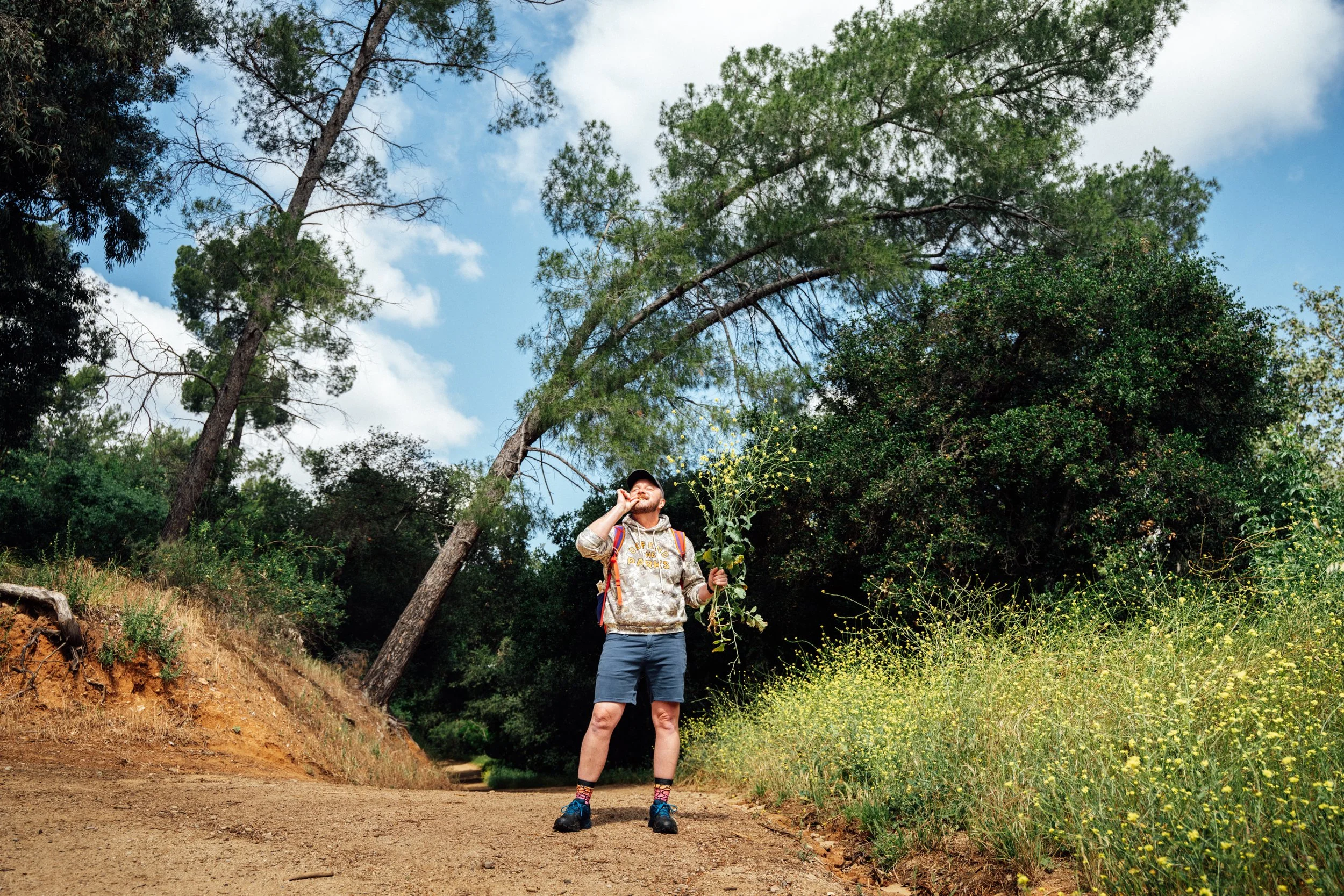
Jason Wise didn’t set out to build a career in nature. Like a lot of people, his relationship with the outdoors started early but without much structure or understanding. Growing up on California’s Central Coast, he spent time outside camping with his family, surrounded by landscapes that people travel from all over the world to see. But at the time, it wasn’t about learning ecosystems or identifying plants. It was simply what was accessible.
“I had this connection to nature, but it wasn't quite informed,” he said. “I didn't know what any of the plants were or the type of squirrel that I was seeing.”
As he got older, his focus shifted toward something else entirely. After realizing he was gay during his teenage years, moving to a city became less of an option and more of a necessity. Los Angeles offered community, opportunity, and a sense of belonging that felt essential at that stage of his life. He pursued a path that made sense within that environment, eventually earning a master’s degree in environmental policy and stepping into a career in advocacy and nonprofit work.
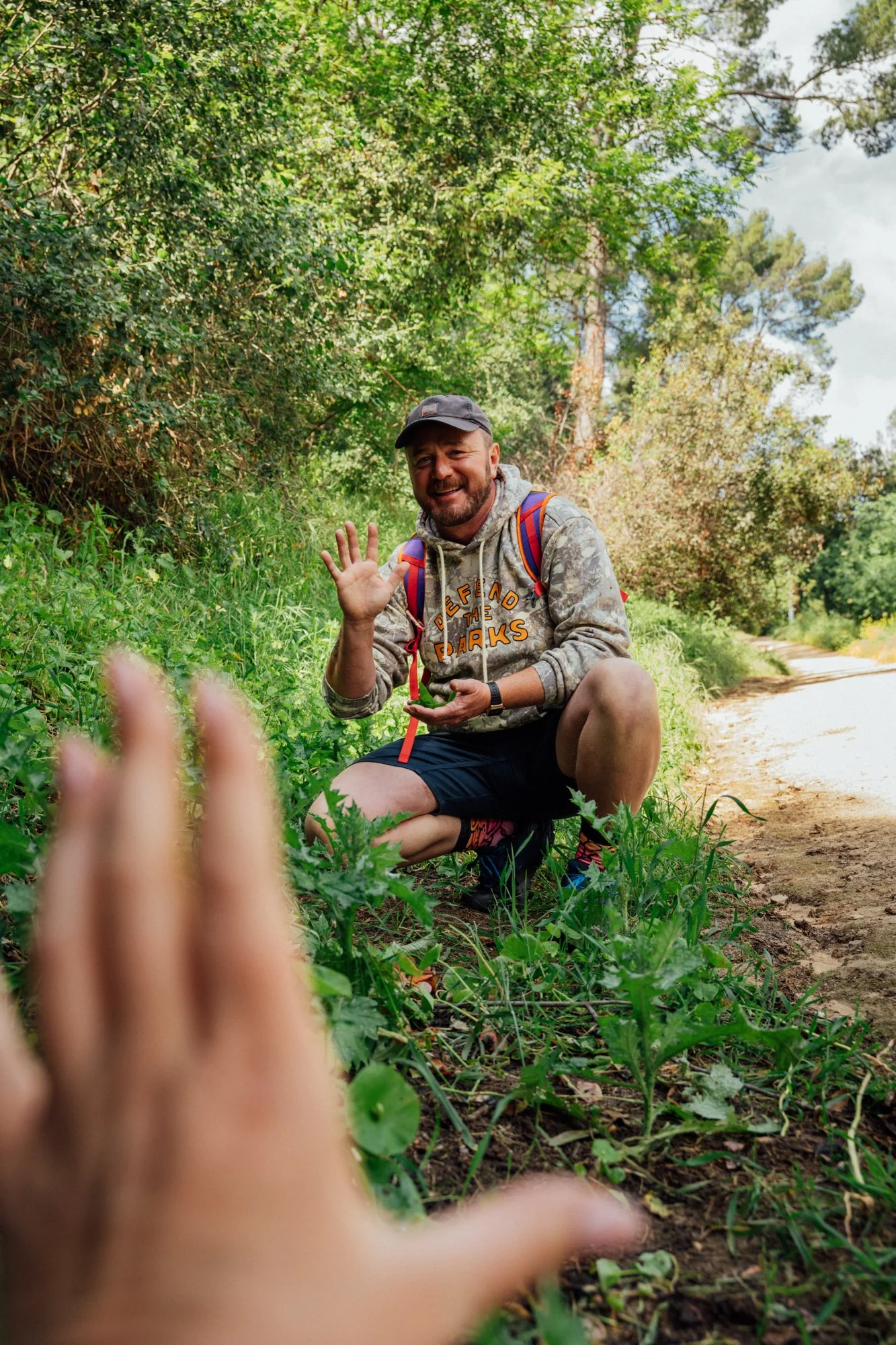
On paper, it was meaningful. He was working toward making the world a better place. But the reality of that work, largely office-based and removed from the environments he cared about, started to create a disconnect.
That realization came into focus in a moment that shifted everything. “There was one day where I called in sick to go on a hike,” he said. “And that's when I was like, wait a minute, what am I doing with my life?”
What that moment revealed wasn’t just burnout. It was clarity. The thing that brought him the most peace, the most curiosity, and the most sense of purpose was the one thing missing from his daily life.
Leaving his job wasn’t an easy or immediate solution, but it was the beginning of a new direction. Jason started from the ground up, volunteering, studying, and spending as much time as possible outdoors. He began learning the names of plants, understanding how ecosystems function, and noticing the relationships that exist between species. What had once been a passive connection became something active and intentional.
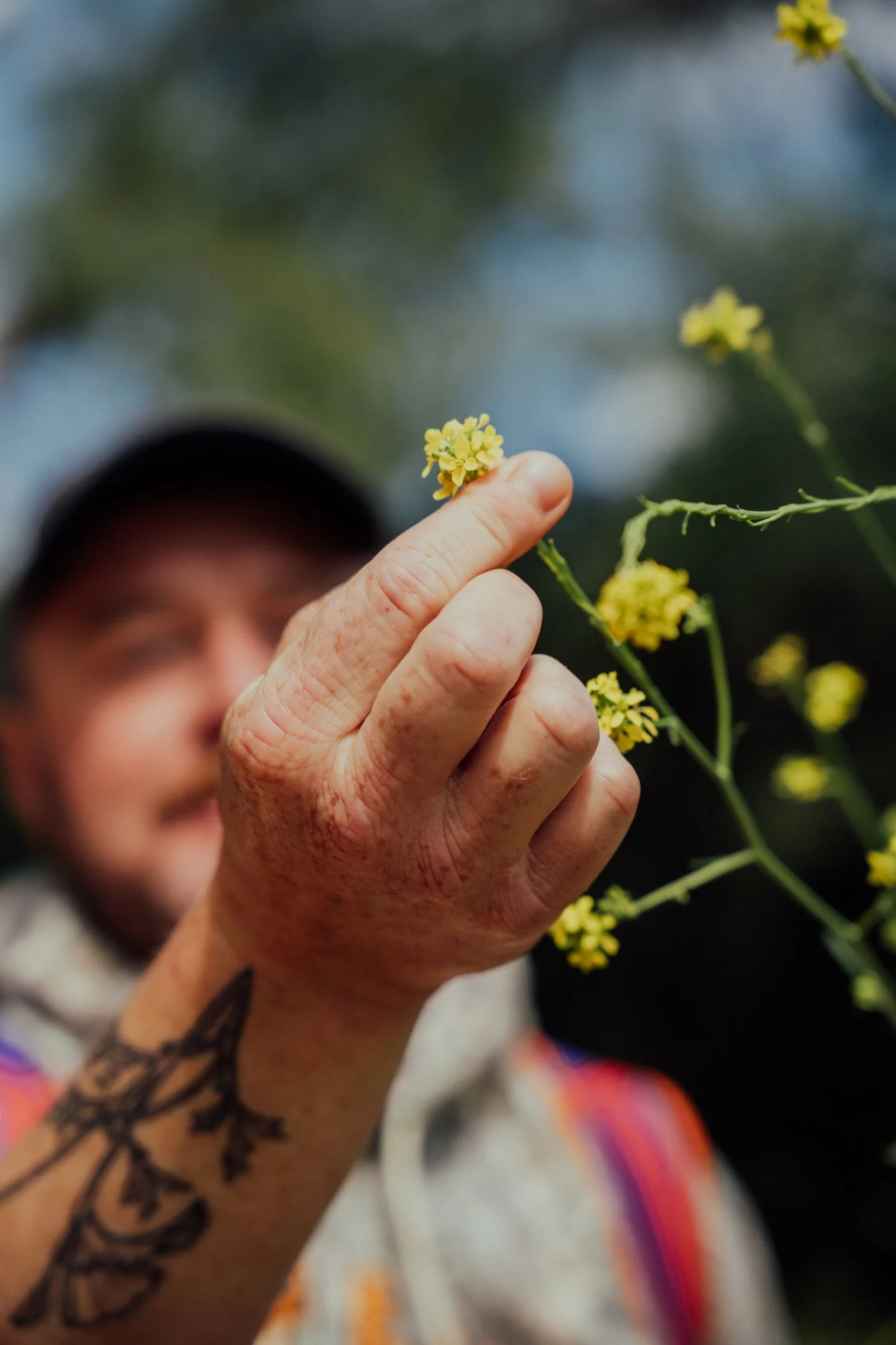
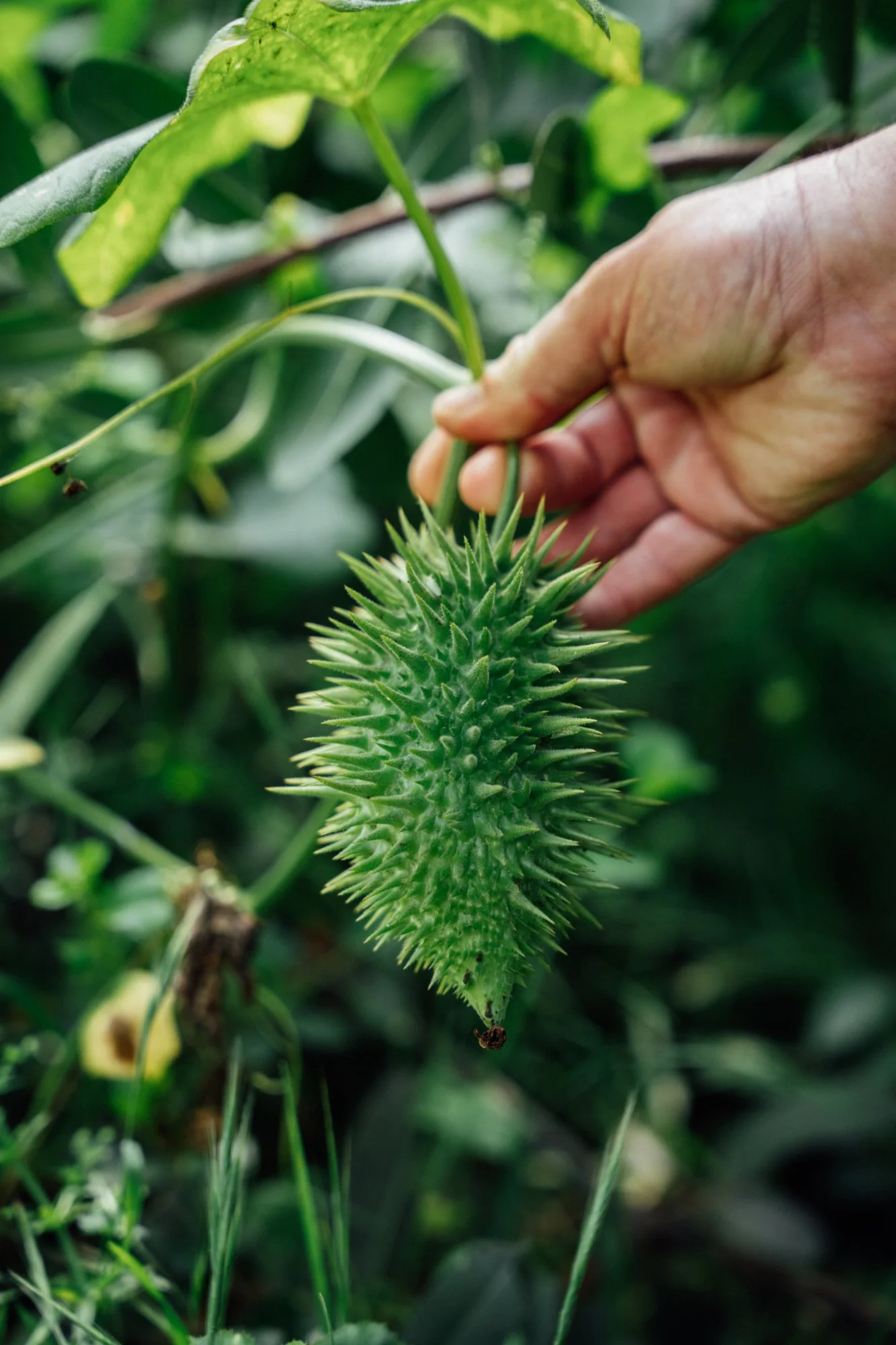
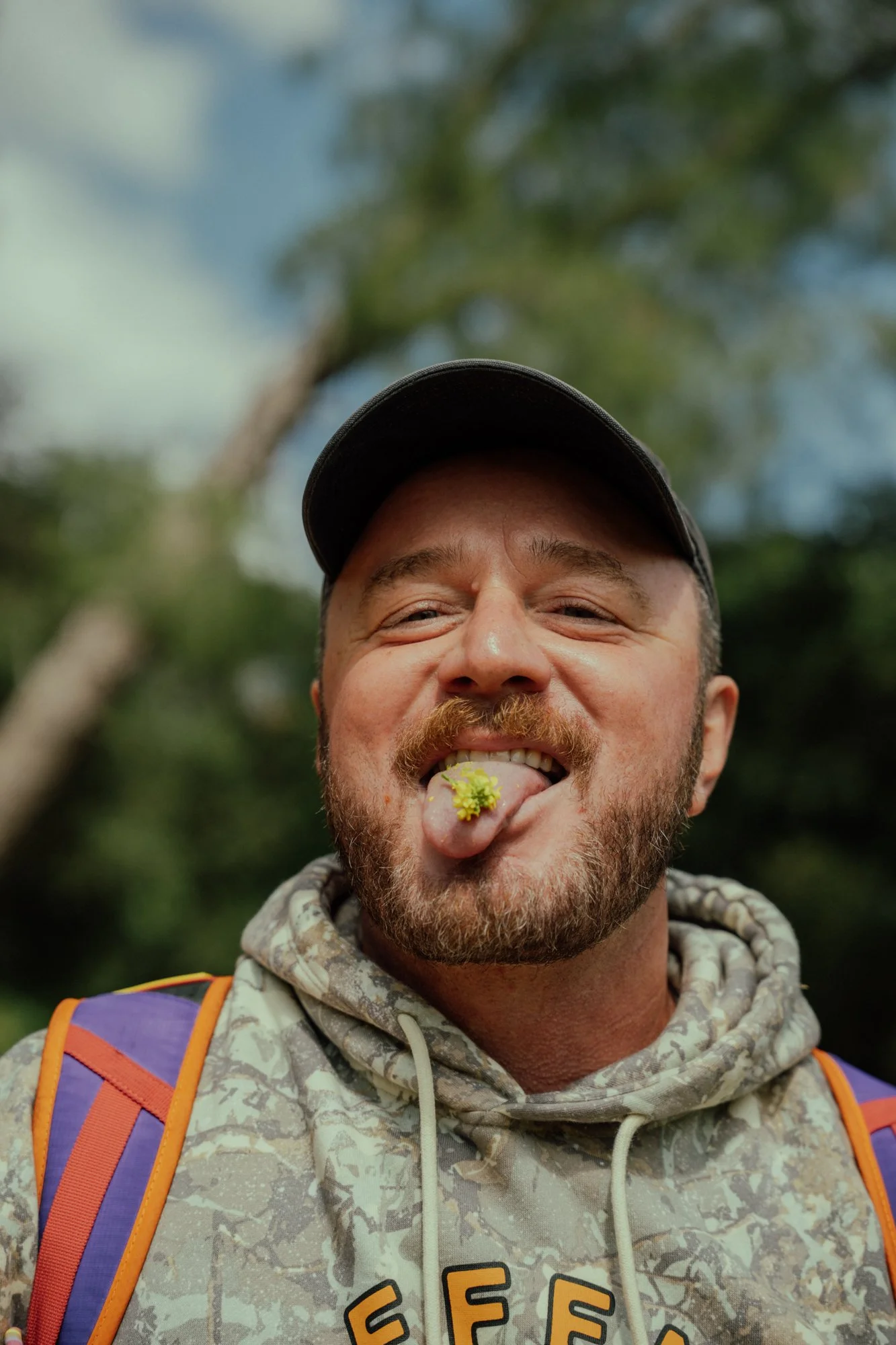
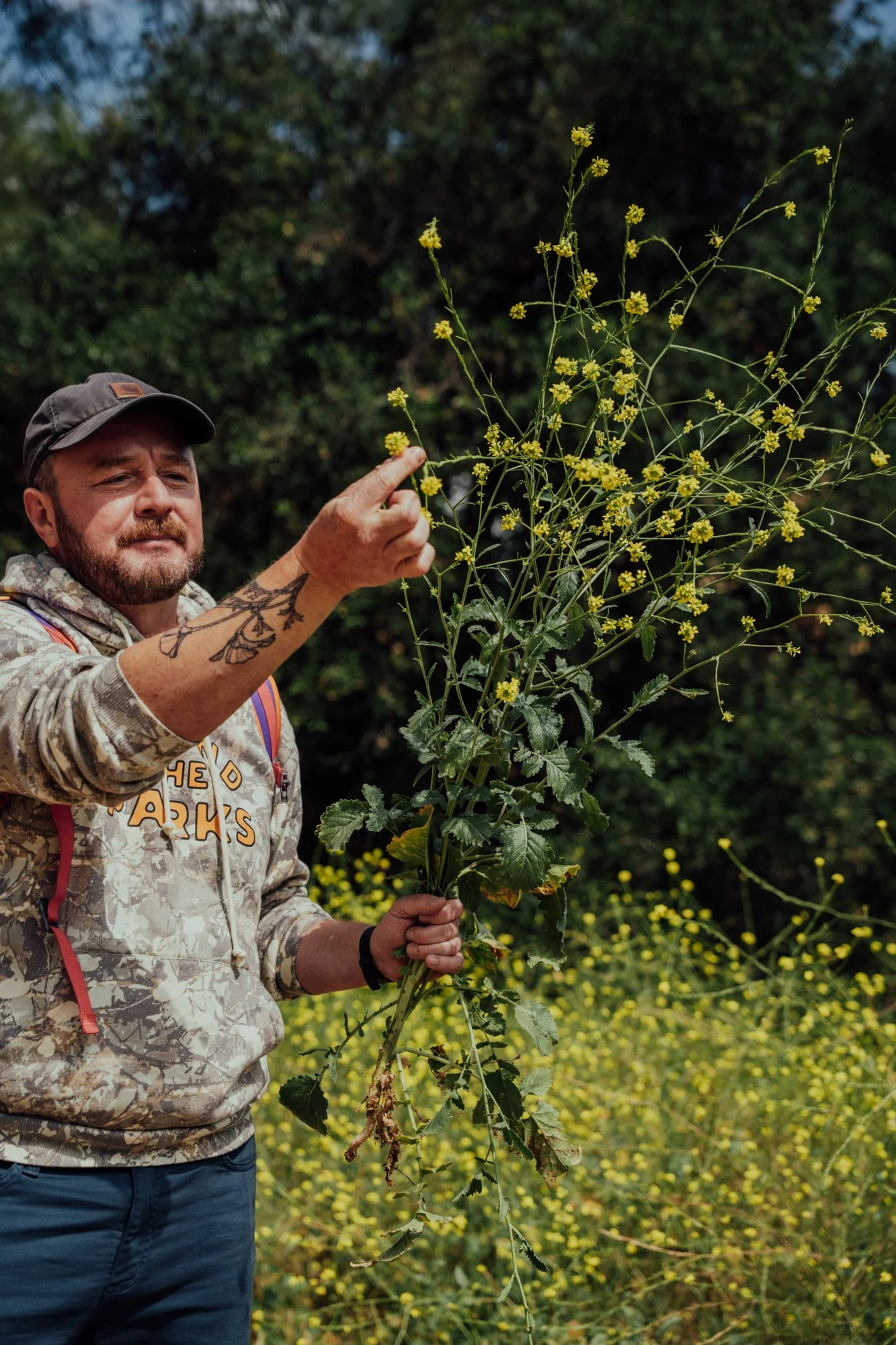
Over time, that curiosity turned into expertise, and that expertise became the foundation for his work as an environmental educator. Today, Jason’s approach is rooted in accessibility. He doesn’t position nature as something distant or exclusive. Instead, he brings it into everyday life, especially for people living in urban environments.
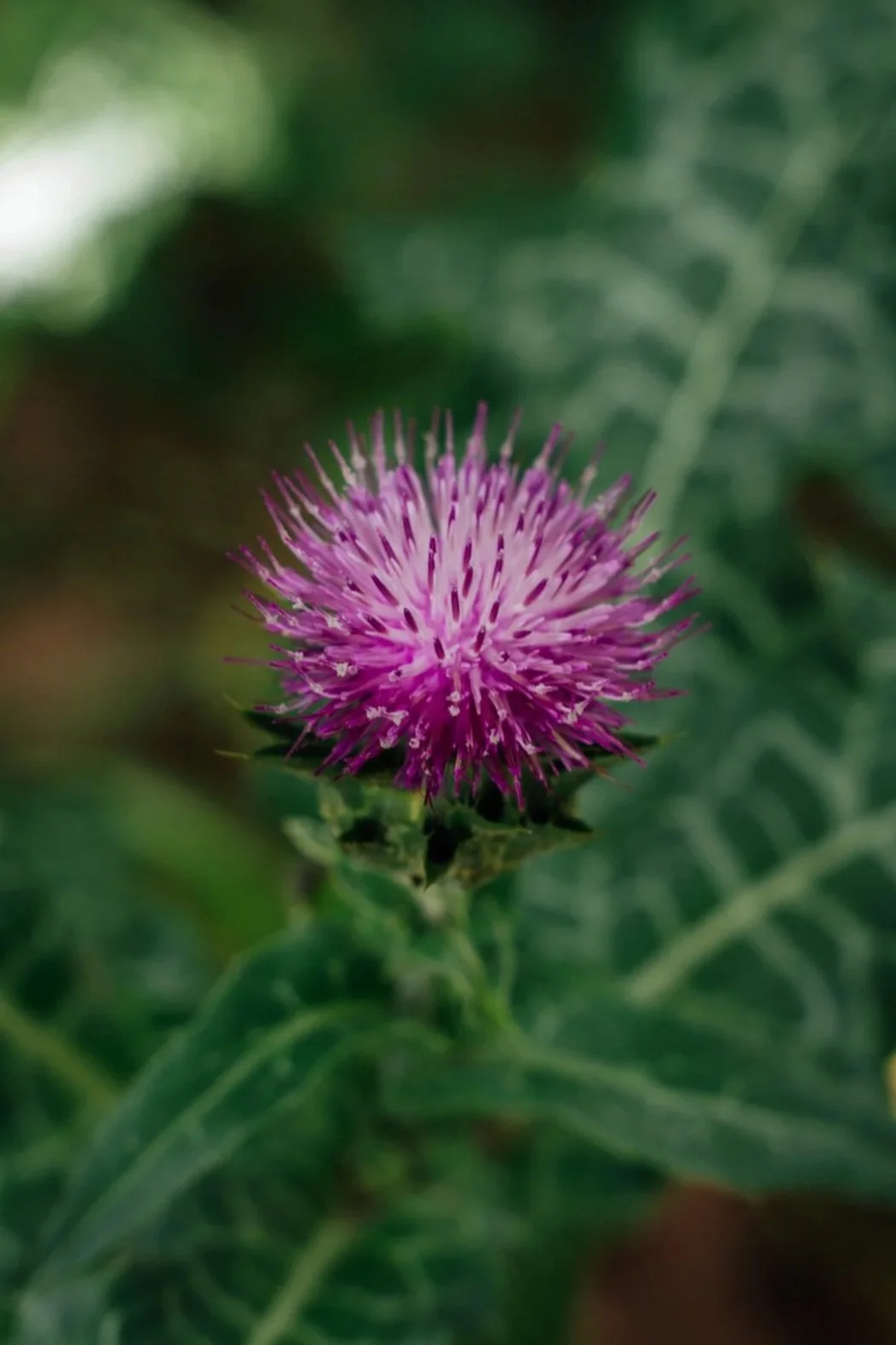
“There’s nature everywhere, including in the city,” he explained. “You can even just see a crack in the sidewalk where a little dandelion’s growing out and you have a whole little mini ecosystem right there in the most unexpected places.”
That shift in perspective is central to everything he does. It invites people to slow down, to notice, and to engage with their surroundings in a way that feels both approachable and meaningful. It also removes the barrier that nature is something you have to travel to experience.
One of the most tangible ways Jason brings this philosophy to life is through his foraging hikes. What most people see as weeds, he sees as an entry point into understanding the environment. These experiences are immersive and interactive, encouraging people to use all of their senses while learning about the plants around them.
But the purpose goes beyond identifying what’s edible. It’s about understanding impact. “We’re not just foraging to figure out what we can eat,” he said. “We’re doing it to learn how we can have a better impact on the ecosystems around us.”
That mindset reframes the experience entirely. It’s no longer about taking from the environment, but about participating in it responsibly.
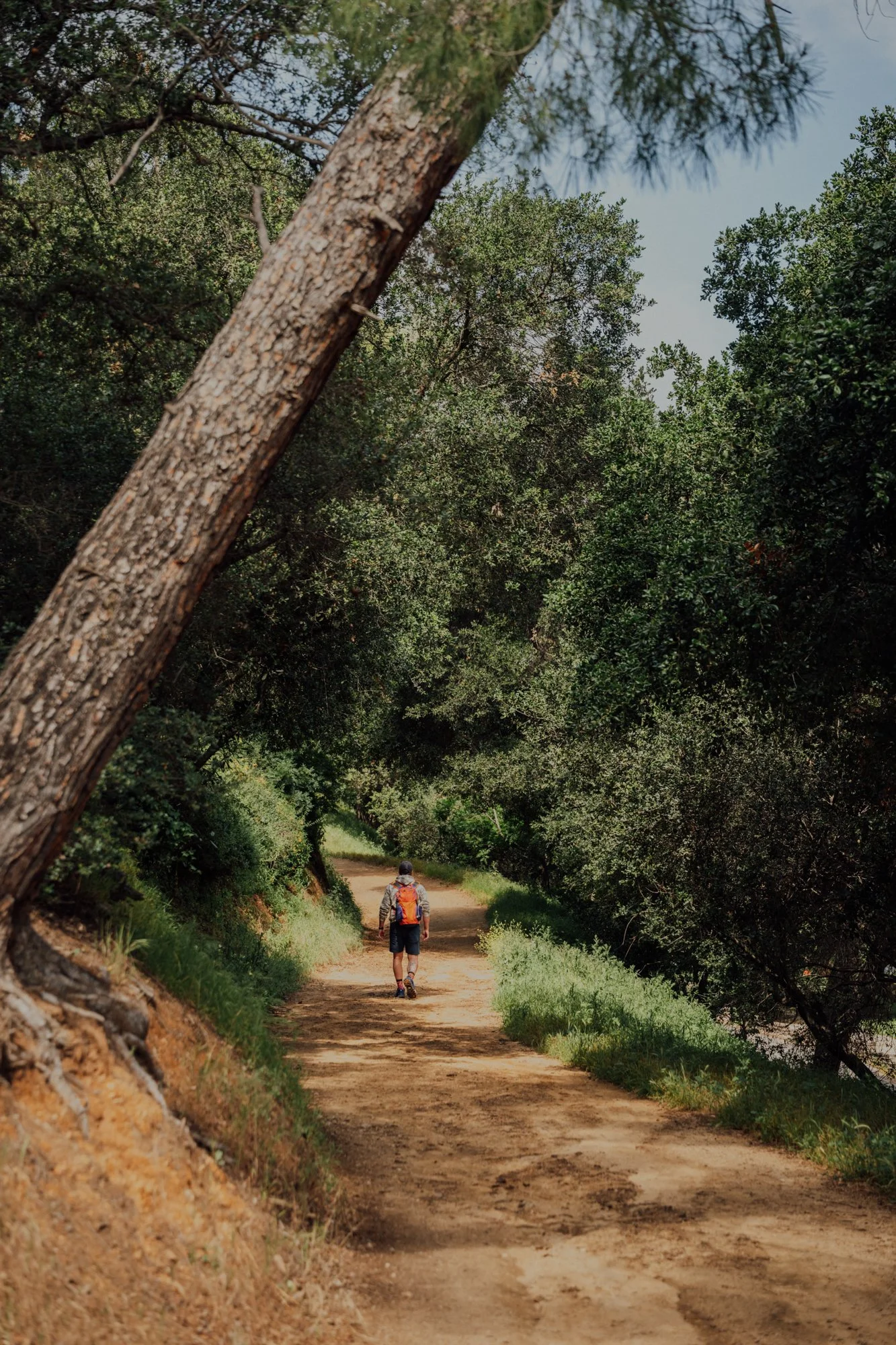
This idea of rethinking our relationship with nature extends into Jason’s work in queer ecology, a lens that explores how the natural world challenges rigid, human-defined norms. In nature, there isn’t a single model for how things are supposed to exist. There is diversity in form, behavior, and function at every level.
“There’s a whole array of different options and ways of being that doesn’t just fit into this neat little box,” he explained.
From plants that reproduce in multiple ways to animals that form same-sex partnerships, nature continuously demonstrates that variation is not the exception. It’s the rule. For Jason, this perspective isn’t just informative. It’s grounding. It offers a way to understand both the environment and ourselves with more openness and less constraint.
At the center of all of this is a simple but powerful idea: connection leads to care. And care leads to action.
“Once you connect to something, then you start to love it. And once you love something, then you will fight for it,” he said.
That belief shapes how he teaches, how he builds community, and how he thinks about impact. It’s not about overwhelming people with information or expecting immediate change. It’s about creating moments of curiosity that grow into something larger over time.
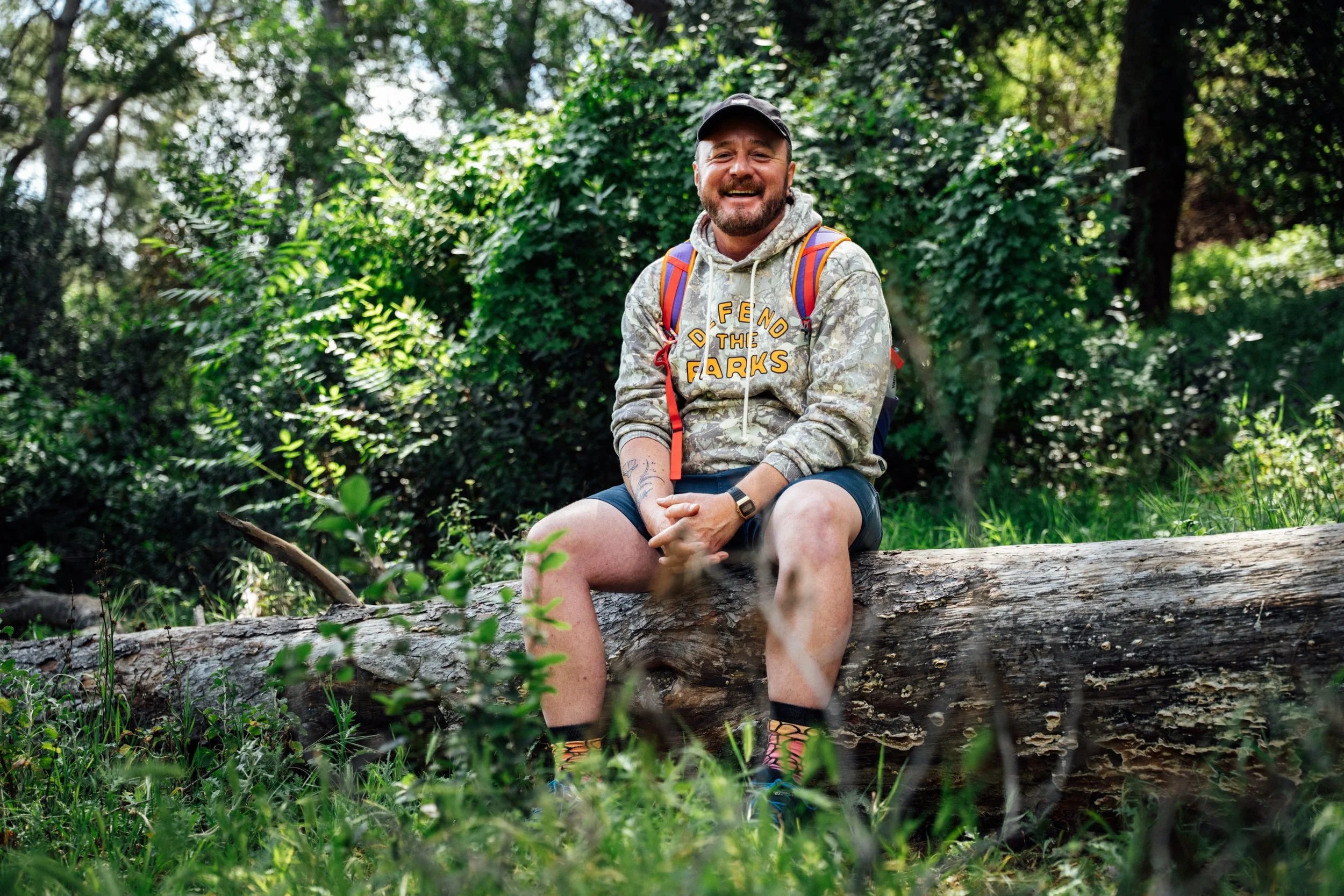
When asked how he makes waves, Jason described it as a process rather than a single action. It starts small, with awareness and interest, and builds as people continue to engage. “I try to make waves by just sparking that interest in the first place,” he said. “That little ‘ooh, that’s cool’ moment, and then it builds.”
Those moments might seem small, but they’re powerful. One person learns something new, shares it with a friend, and begins to see their environment differently. Over time, those shifts ripple outward, creating something much bigger than any one action.
Jason’s work is a reminder that reconnecting with nature doesn’t require a major lifestyle change or a trip somewhere far away. It starts with paying attention. It starts with curiosity. And sometimes, it starts with something as simple as noticing a plant growing through a crack in the sidewalk and realizing there’s more to it than you thought.
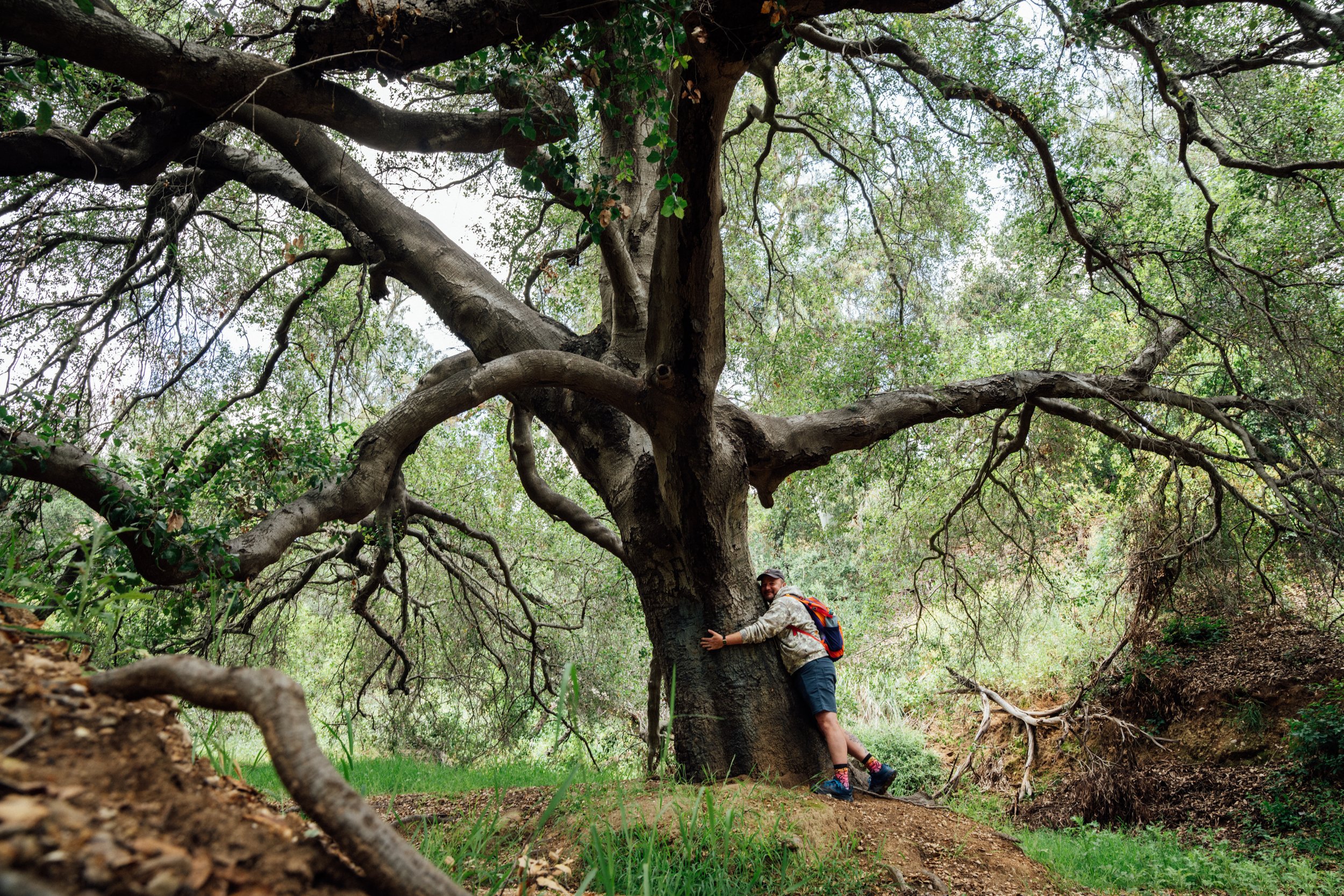
You can follow Jason’s work and learn more about his hikes, events, and educational content here:
Instagram: @jasonjourneyman
Website: https://www.jasonjourneyman.com/
He regularly hosts in-person hikes and events around Los Angeles, along with sharing educational content online that makes learning about nature feel approachable, engaging, and actually fun.
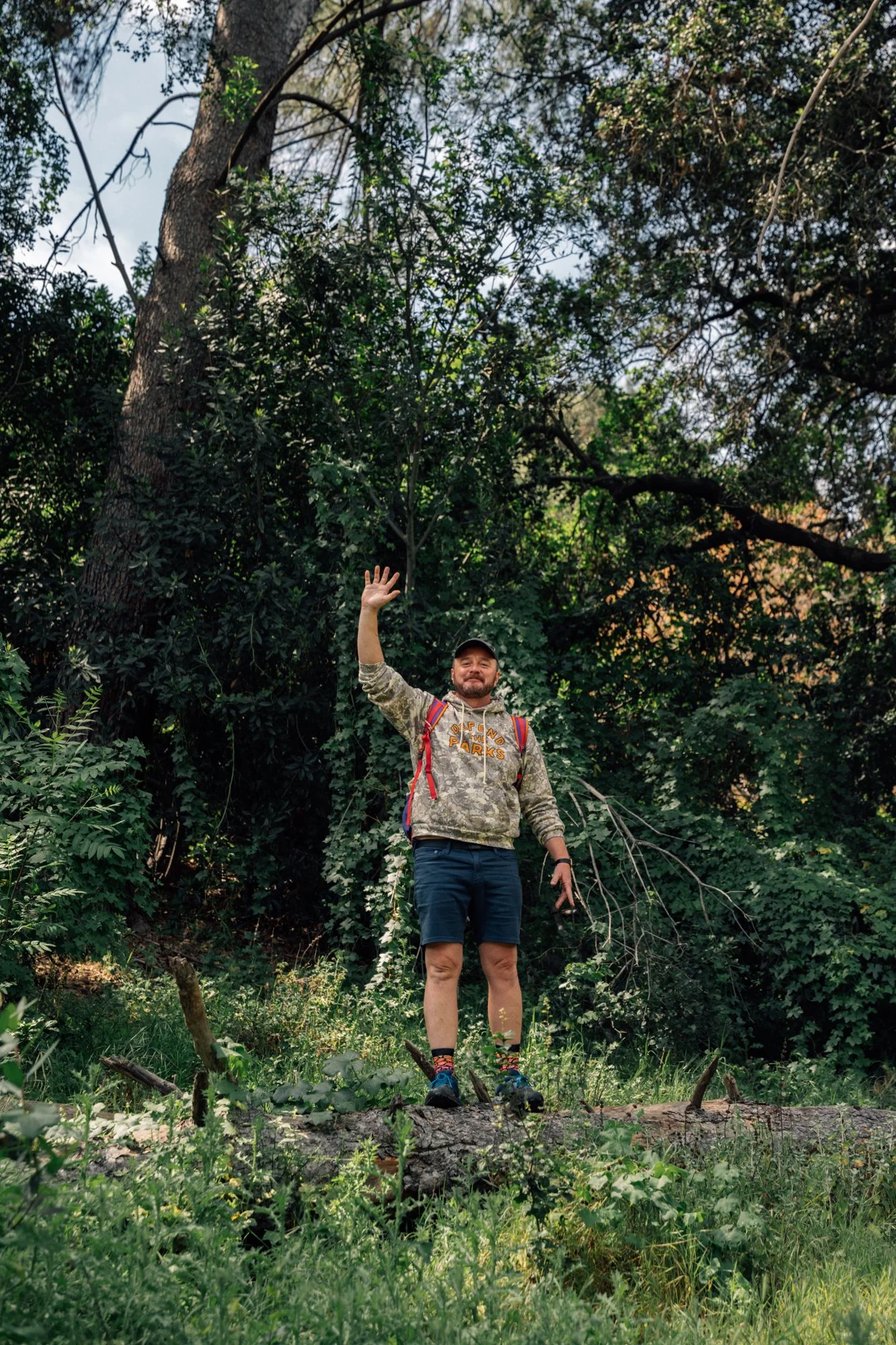
This story was created by Making Waves Project as part of The World Around Us, our April series exploring the many ways people connect with, care for, and learn from the natural world. Through conversations with individuals whose work is rooted in the environment, these stories highlight how curiosity, passion, and everyday actions can shape a deeper relationship with the earth.
From urban beekeeping to foraging and water tasting, each story offers a different lens into how we experience nature, even in the middle of a city. Together, they remind us that connection doesn’t have to be complicated or far away. It can start right where you are, with a shift in perspective and a willingness to pay attention.
Through this series, we hope to inspire a sense of curiosity about the world around us and encourage small, meaningful ways to engage with it. Whether that means learning something new, spending more time outside, or simply noticing what’s been there all along, every step toward connection has the potential to create impact.
If you or someone you know has a story connected to the earth or environment, we would love to hear from you. And if you are a brand interested in partnering with us to tell more stories like this, reach out at hello@makingwavesproject.com.
Follow along with The World Around Us on our Instagram and YouTube, and explore more stories at makingwavesproject.com/stories.