From Music to Space: The Journey of Astronaut Ellen Ochoa
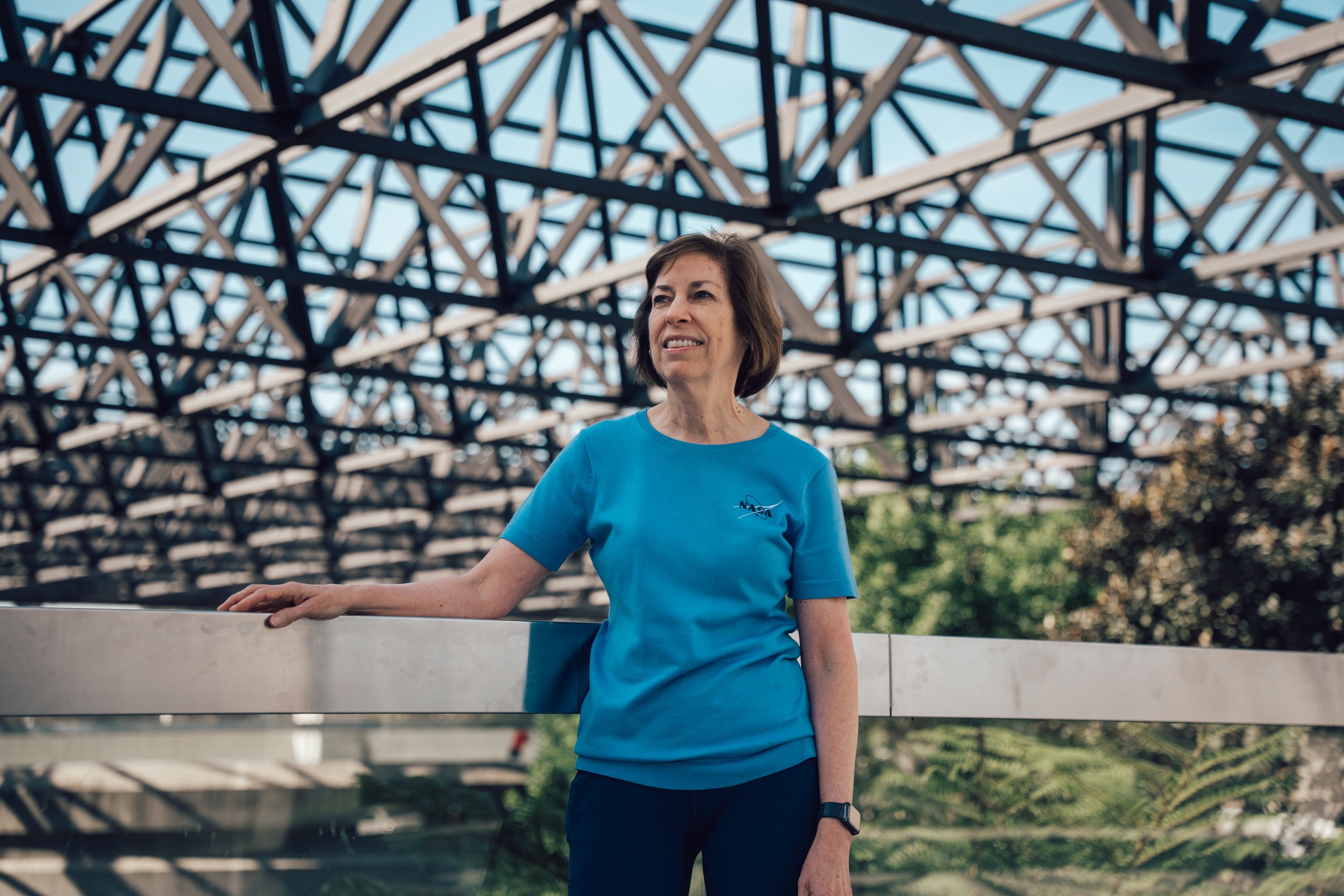
When you imagine an astronaut, you might picture someone who spent their childhood staring up at the stars, dreaming of rockets and galaxies. But for Ellen Ochoa, the journey to space began somewhere much more grounded: books, music, and curiosity. Growing up as the middle of five children, Ellen spent much of her time reading and exploring the world through stories. She remembers those early years simply: “I was a big reader, so that was probably my favorite activity. I just loved to read books.” When she was ten years old, she picked up the flute, an instrument that would become a constant in her life. Music became her main extracurricular activity through school and remains something she continues to play today, decades after her astronaut career.
Science, however, wasn’t part of the plan. In fact, Ellen openly admits that it wasn’t something she connected with as a child. “Not really, wasn’t really into science at all as a kid,” she said with a laugh. The turning point came later, during her time at San Diego State University. Like many college students, she arrived unsure of what she wanted to study. She explored different subjects including music and business, but one thing remained consistent: she continued taking math classes. Math had always come naturally to her, and by the time she reached advanced calculus she began to wonder what kinds of careers actually used the mathematics she enjoyed. That question led her to visit professors across different departments, searching for a field where math could translate into something tangible.
One conversation in particular changed everything. A physics professor explained how the mathematical tools she had already learned were the foundation for understanding physics and engineering. As Ellen recalls, he told her, “You’ve already learned the language of physics. If you started into our classes next semester, you could concentrate on the concepts.” With that encouragement, she decided to give physics a chance. What began as an experiment quickly became a passion. Ellen ultimately chose to major in physics and minor in math, opening the door to a world she had never imagined for herself.
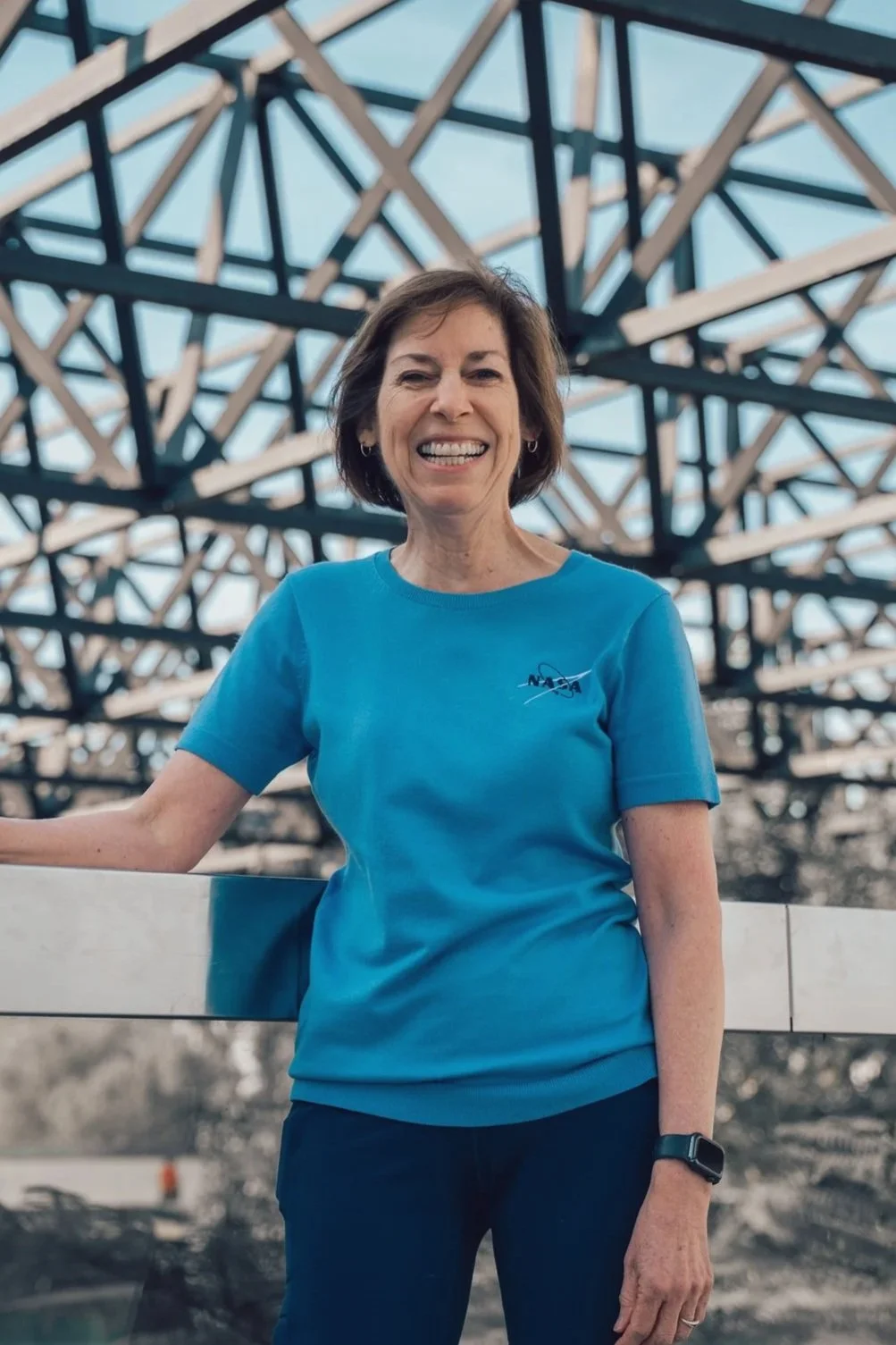
That decision eventually led her to graduate school at Stanford University, where she pursued a PhD and began building a career in research engineering. During her first year at Stanford, something historic happened in the world of space exploration: the Space Shuttle flew for the first time. Unlike earlier spacecraft, the shuttle could act as a laboratory in orbit, allowing scientists to conduct experiments in ways that weren’t possible on Earth. For someone interested in research, the idea of a floating laboratory in space was compelling. Then, a few years later, another milestone changed her perspective entirely. Sally Ride became the first American woman to travel to space. Ellen saw something familiar in her story. Sally Ride had studied physics, attended Stanford, and built a career in science. Suddenly, space didn’t feel quite so distant. Reflecting on that moment, Ellen said, “I really think I needed to see all those things in common before it really kind of entered my head… well, maybe this is something that I could do too.”
With that realization, Ellen submitted her application to NASA. She didn’t expect much to come from it. Thousands of people applied, and becoming an astronaut felt almost impossibly unlikely. Still, there was nothing to lose by trying. Years later, she received the call that would change her life. In 1990, Ellen Ochoa was selected as part of a new astronaut class. Suddenly, the dream that once seemed distant became reality.
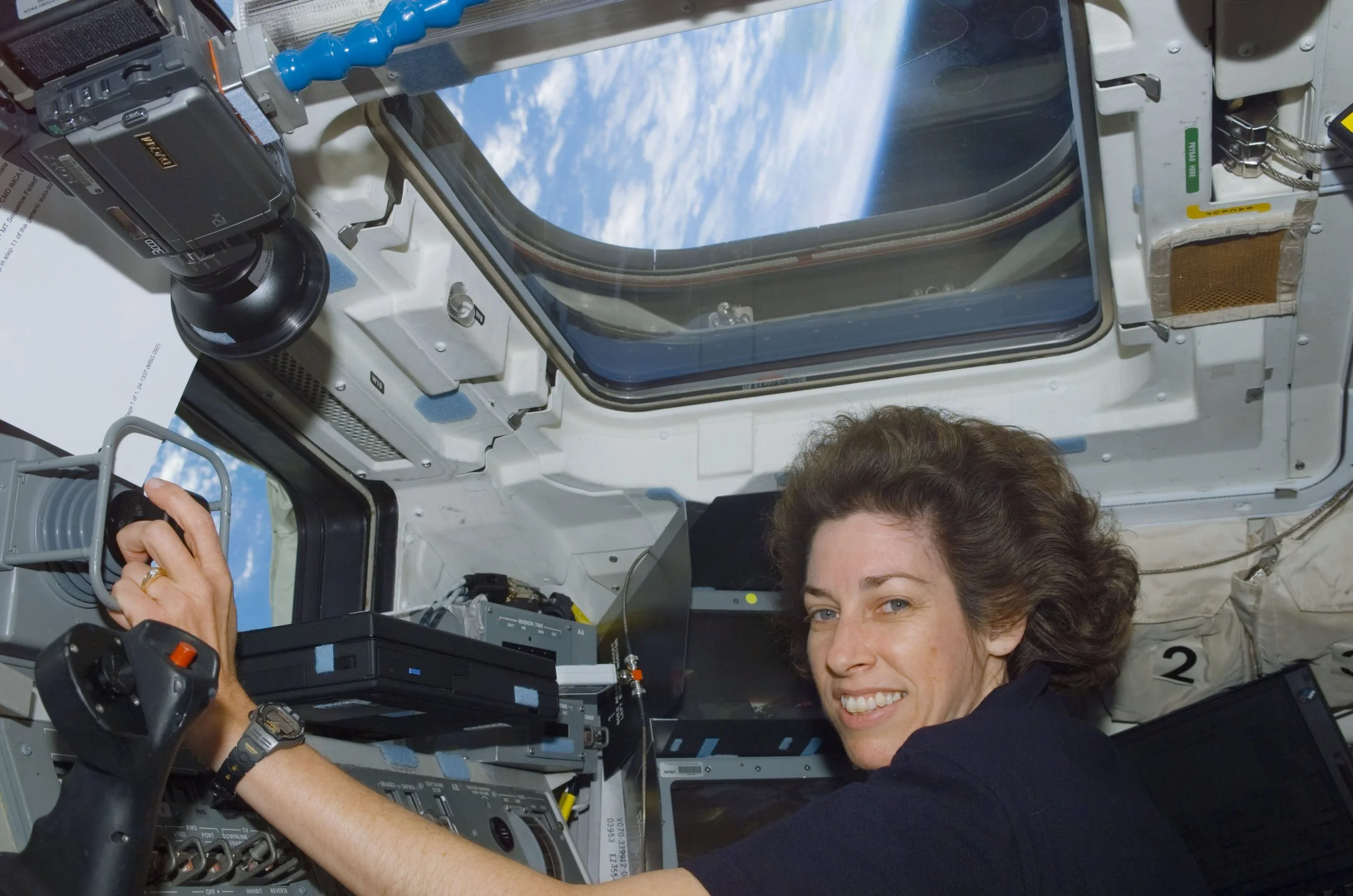
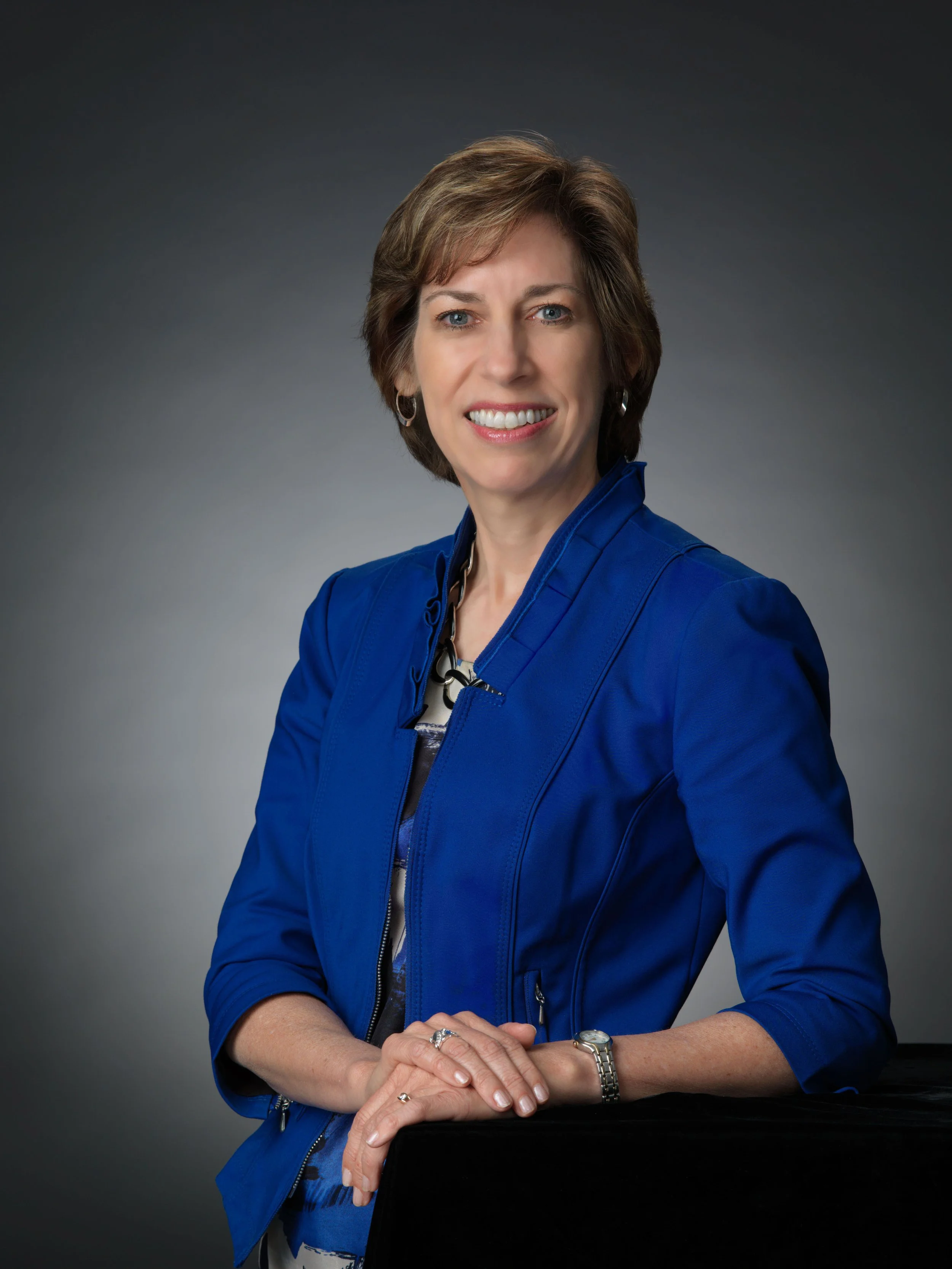
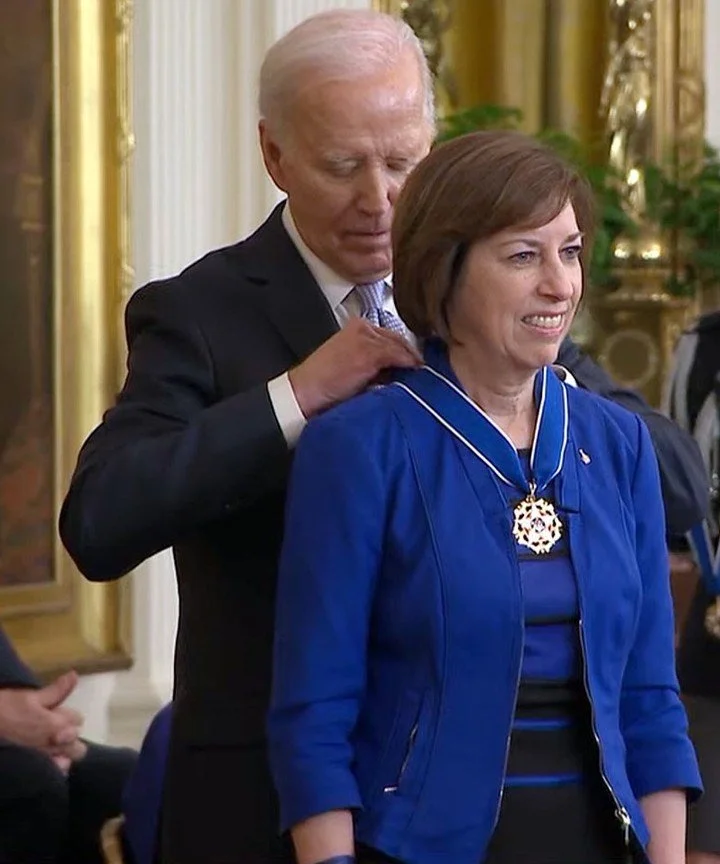
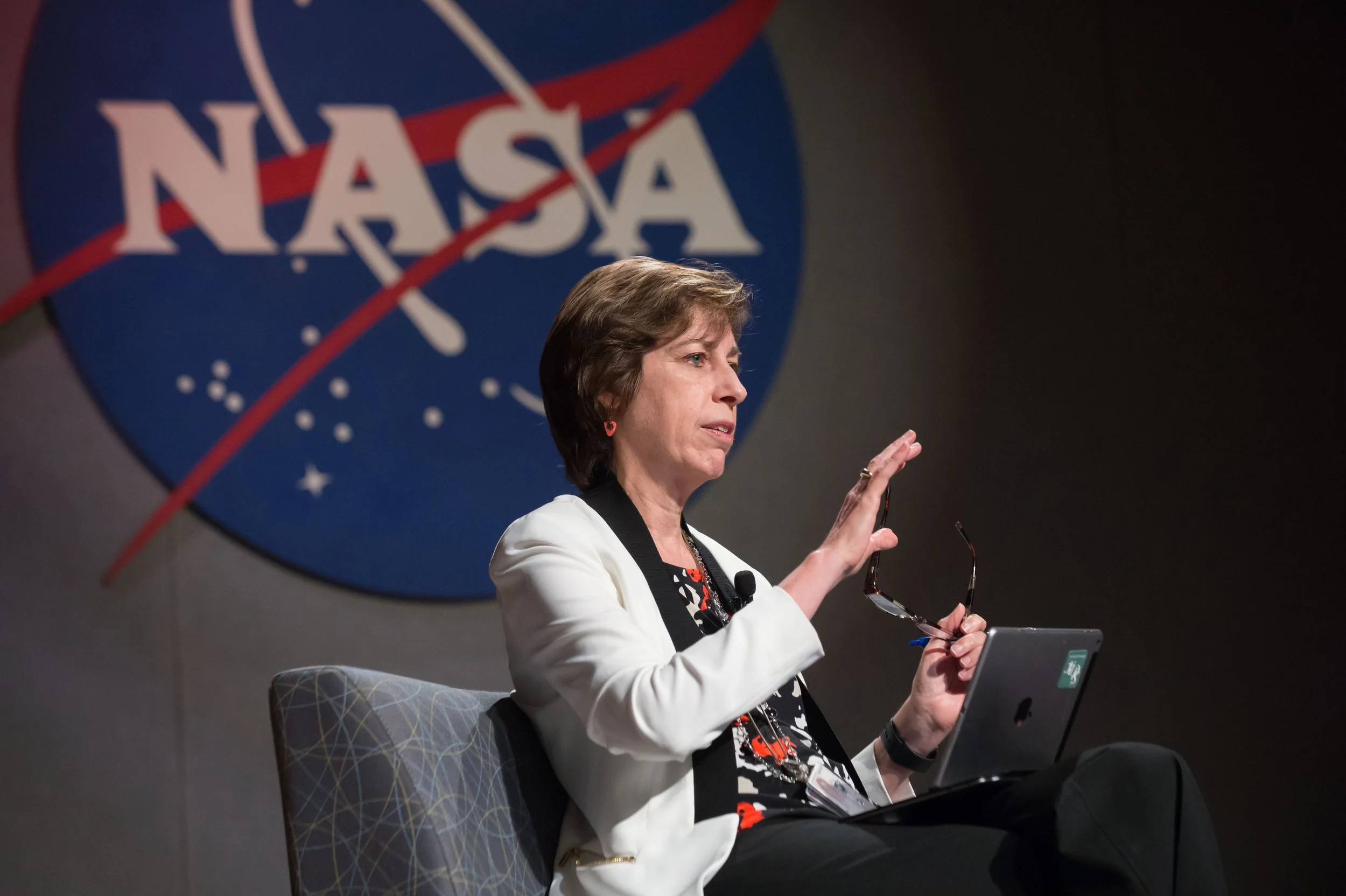
Astronaut training was intense and unlike anything she had experienced before. The first year alone involved extensive classroom work, learning every system on the Space Shuttle from propulsion and electrical systems to life support and flight computers. Astronauts practiced operating these systems in simulators, rehearsing both normal procedures and emergency scenarios. They also trained in high-performance aircraft, learned survival techniques, and prepared for situations most people never imagine encountering. Yet Ellen thrived in the environment. She loved the constant learning and the sense of purpose behind it. “Every day there was something new to learn,” she said, reflecting on that time.
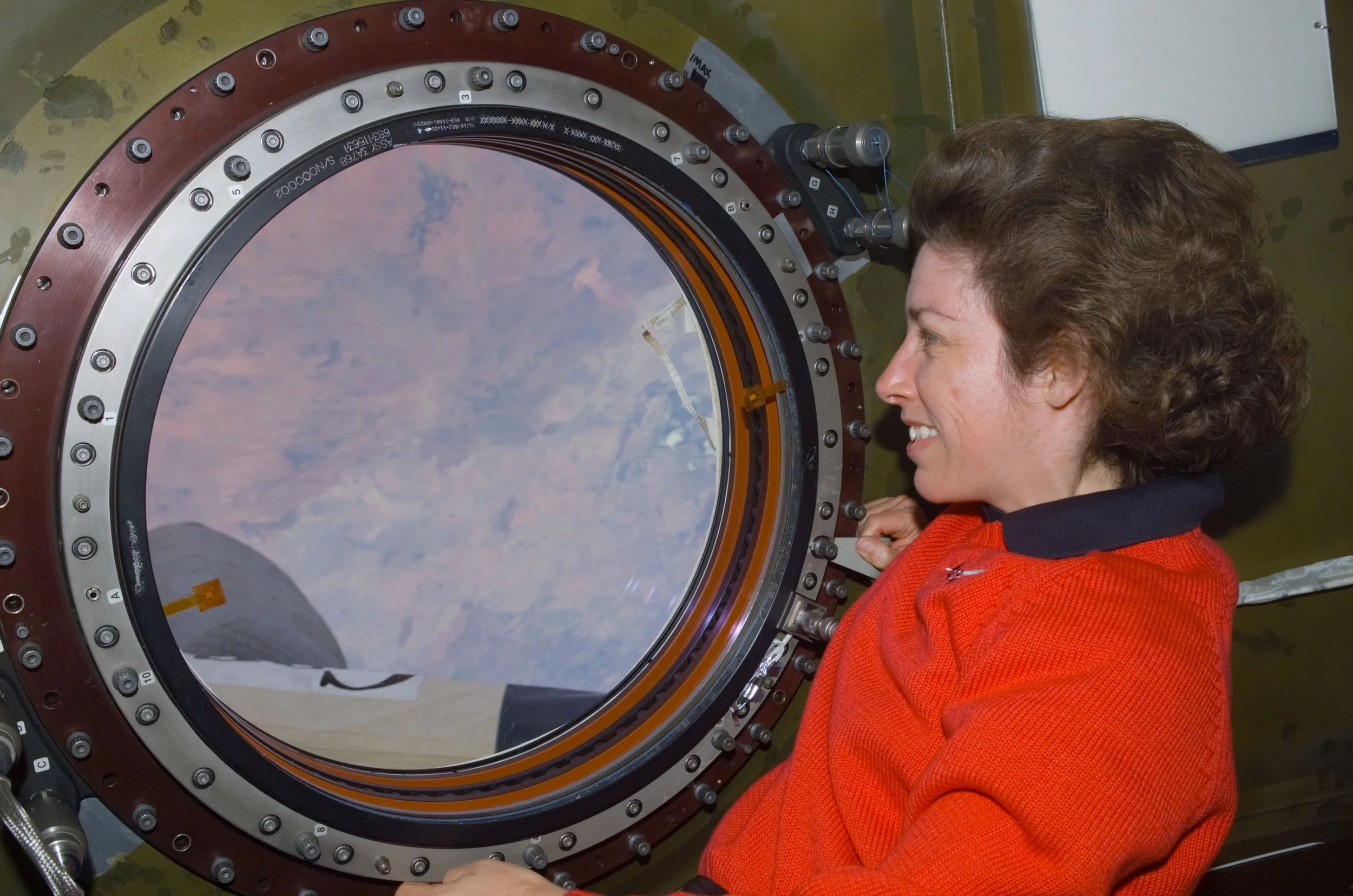
Three years later, in 1993, Ellen launched aboard the Space Shuttle and made history as the first Latina woman in space. The mission itself was packed with scientific objectives, including studying Earth’s atmosphere and gathering data about the ozone layer. Shuttle missions were relatively short, often lasting around ten days, which meant the crew worked around the clock to complete as many experiments as possible. As Ellen explains, “Shuttle flights are really busy because you’re only up say 10 or 12 days and you’re trying to pack absolutely as much as you can into the time that you’re in space.”
The physical experience of reaching orbit is something few people can truly imagine. During launch, astronauts feel the force of acceleration pressing them into their seats with three times the weight of gravity. Then, suddenly, the engines cut off and everything changes. “As soon as they cut off, of course you’re in zero-G… your arms just sort of start to float up,” Ellen said, describing the moment when the spacecraft transitions from rocket to orbiting laboratory.
Life in space also comes with surprising details. Food, for example, must be carefully chosen to avoid crumbs floating through the cabin. Bread is replaced with tortillas, and many meals are freeze-dried dishes that astronauts rehydrate with water. “You don’t want anything that crumbles,” Ellen explained, noting that floating crumbs could interfere with equipment or even get into someone’s eyes. Despite the challenges, astronauts still try to maintain small pieces of normal life. On her first mission, Ellen even brought her flute to space and played it as part of an educational video designed to show children what daily life in orbit looks like.
When Ellen returned to Earth, she began to understand that her role extended far beyond the mission itself. Invitations started pouring in from schools and organizations across the country, particularly those encouraging girls and Latino students to pursue careers in science and engineering. Speaking to these audiences became one of the most meaningful parts of her career. “That’s probably when it really hit me,” she said. “When people can put a face to NASA, that is particularly powerful.”
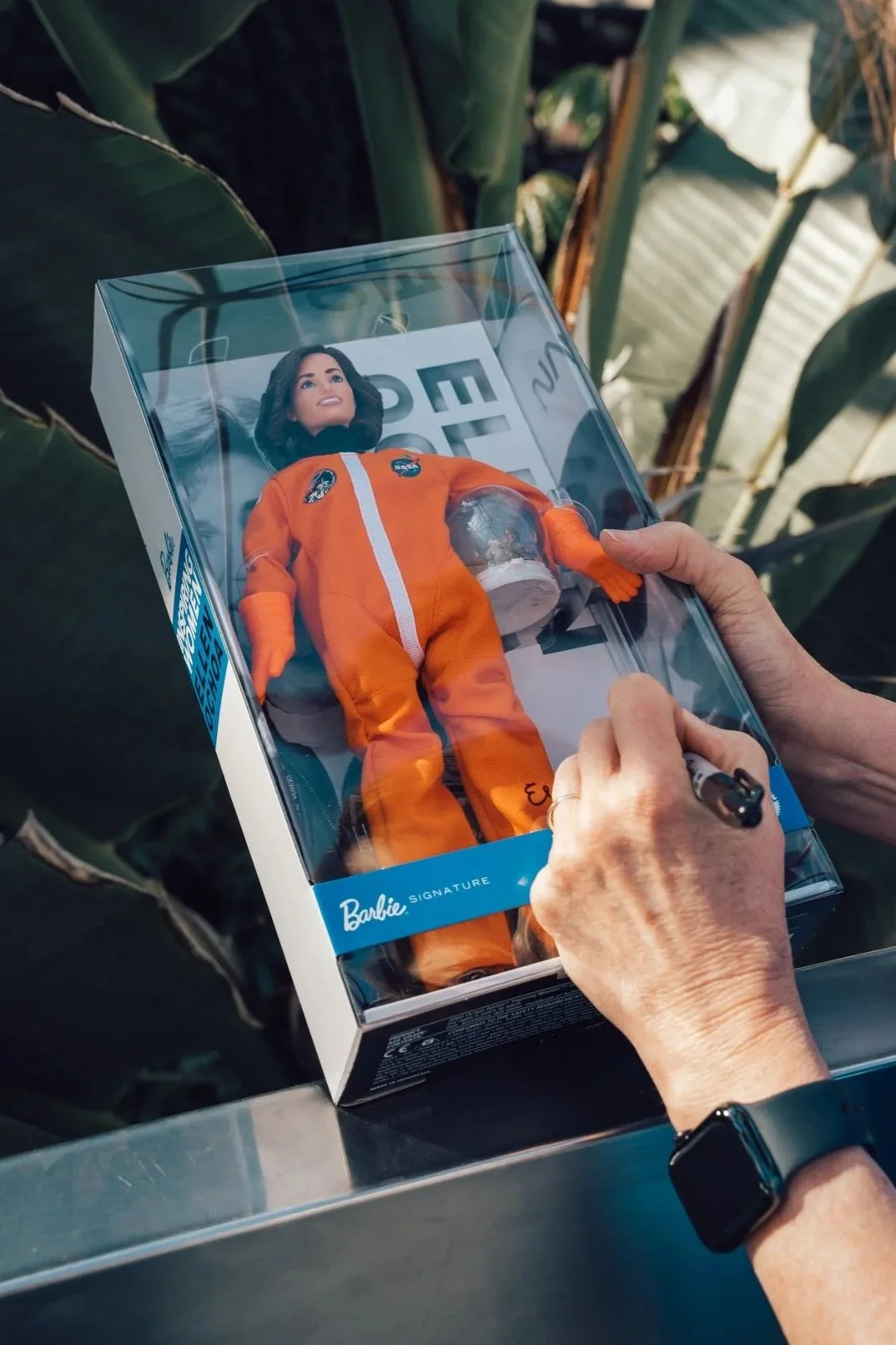
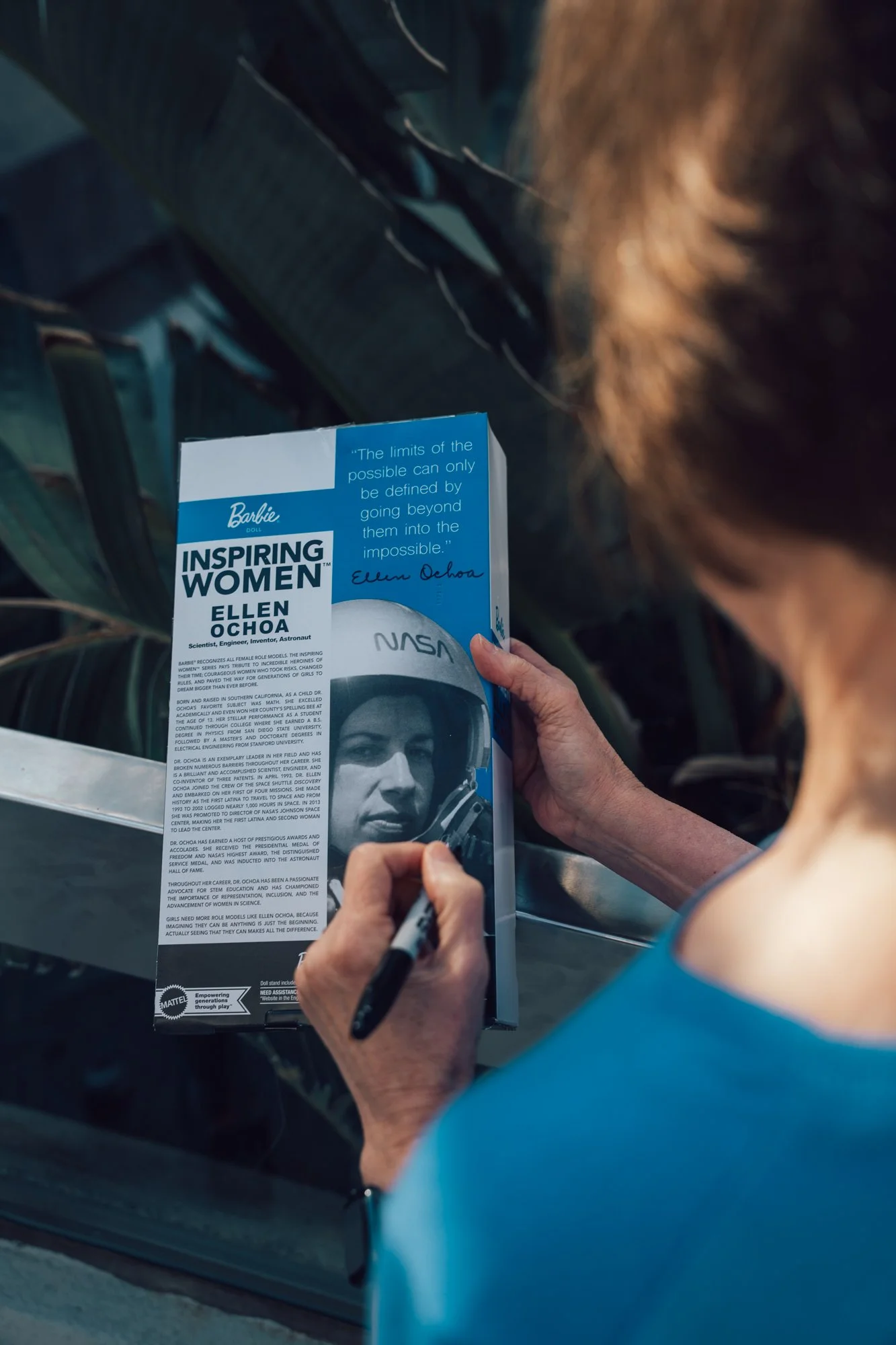
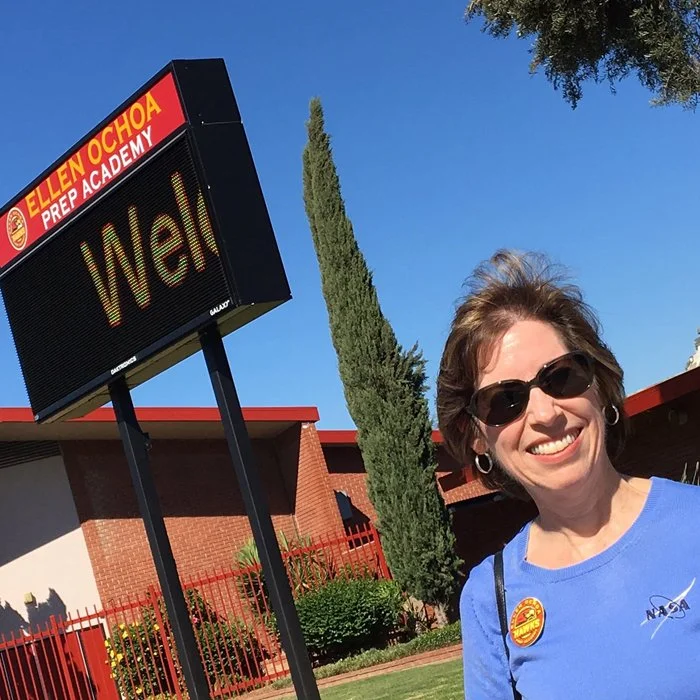
Over time, Ellen’s influence grew in ways she never expected. Eight schools across the United States now bear her name, a reflection of her lasting impact on education and inspiration for future generations. “To see that living on through these schools… that’s really rewarding,” she shared. She has also written five bilingual children’s books with the publisher Lil' Libros, introducing young readers to science, technology, engineering, arts, and math. Her goal was simple: help kids understand that curiosity and creativity belong in science just as much as they do in art.
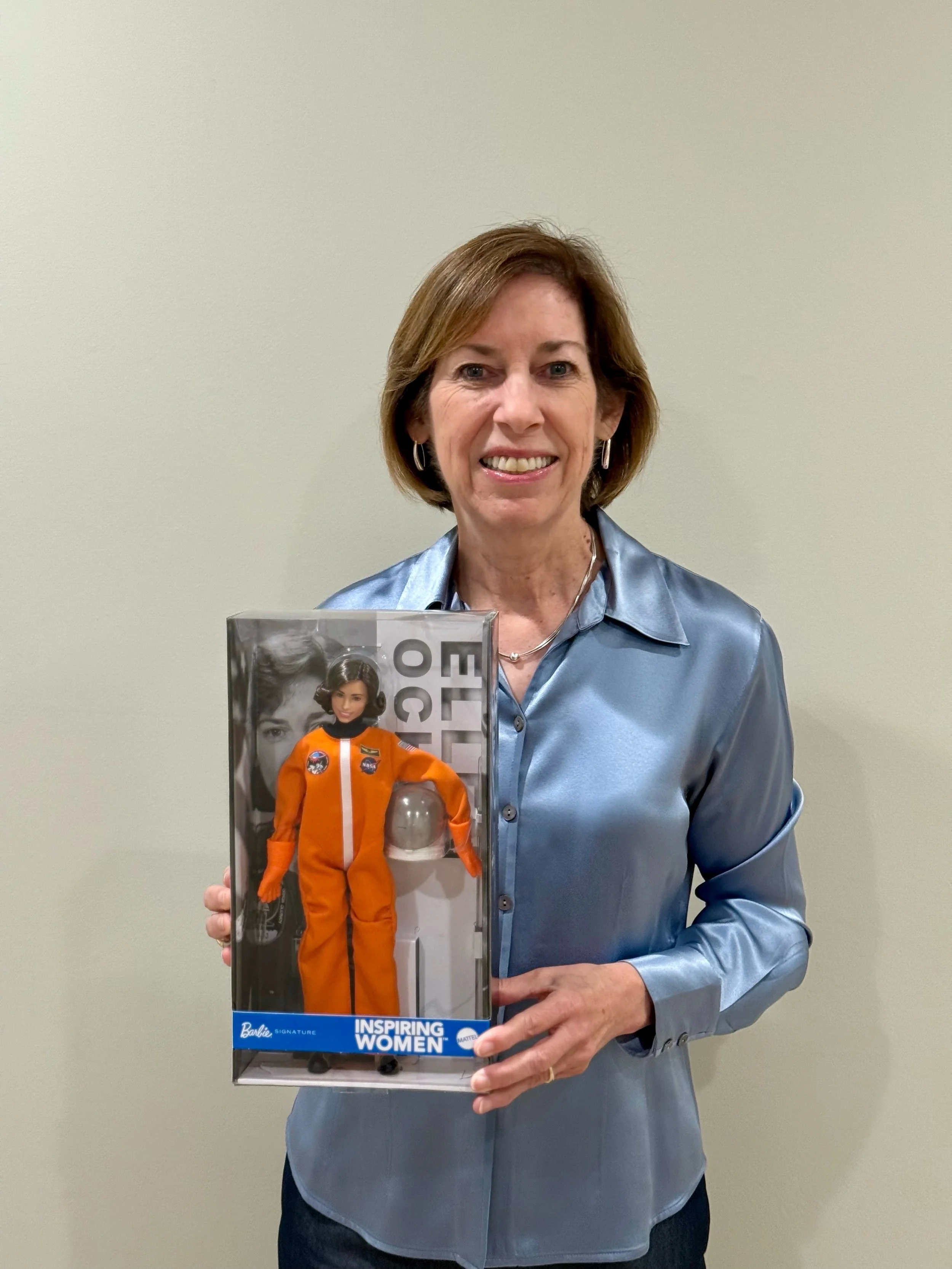
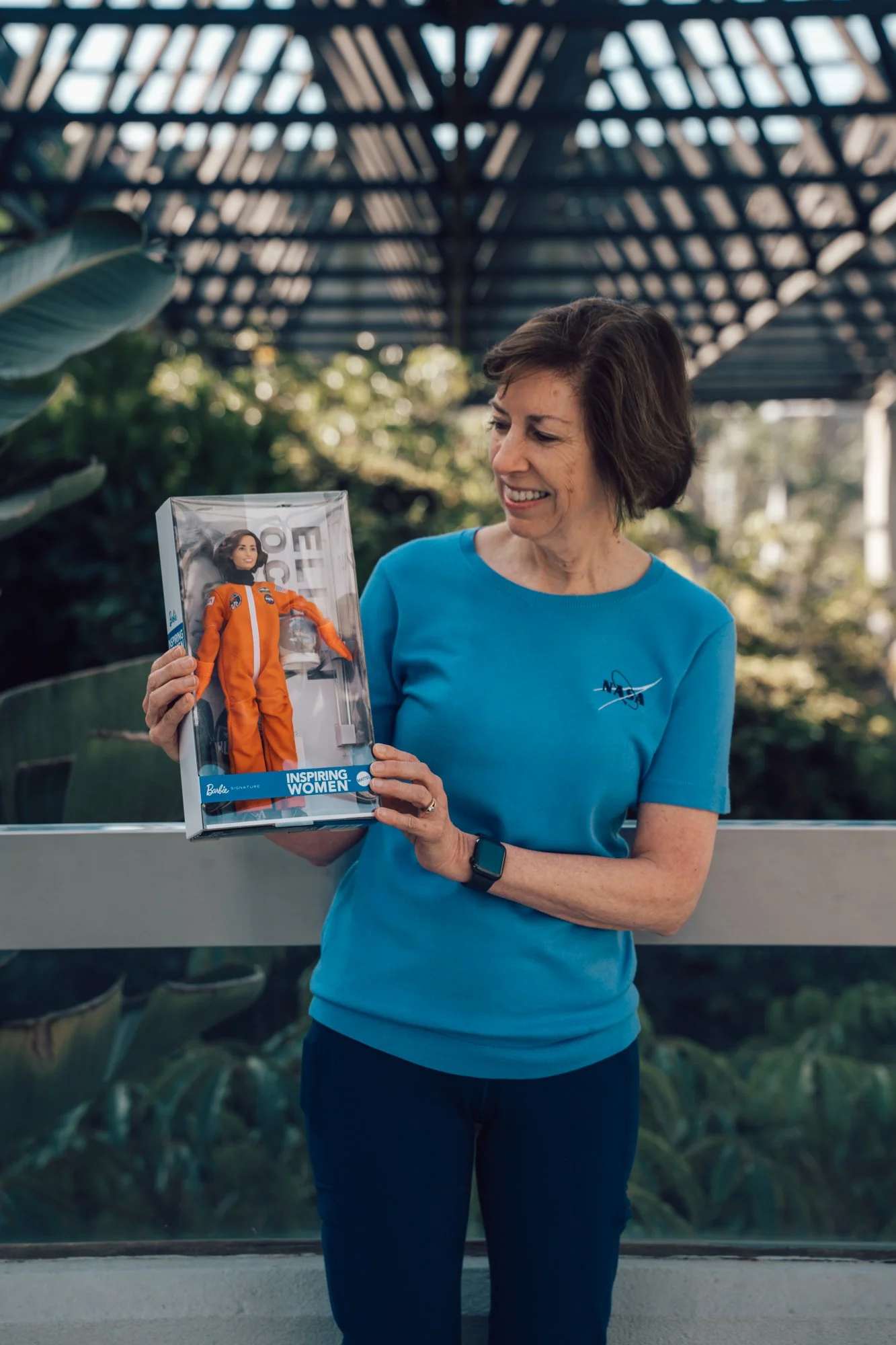
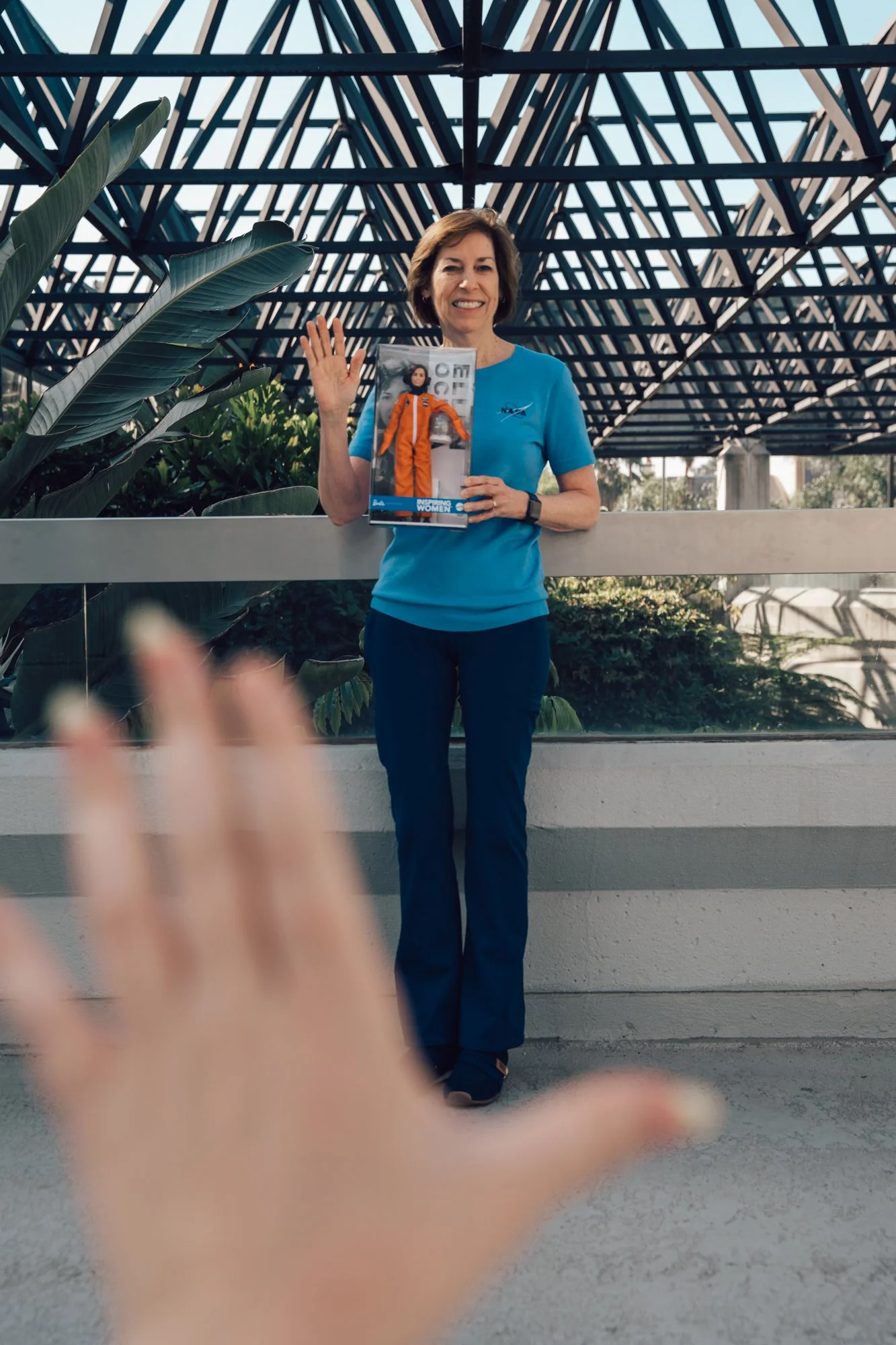
Then came another unexpected honor. One day, Ellen received an email from Mattel. The company wanted to create an astronaut Barbie modeled after her as part of its Inspiring Women series. “It just came out of the blue,” she said. The doll features her 1993 flight suit, complete with mission patches, turning her story into something young girls can literally hold in their hands.
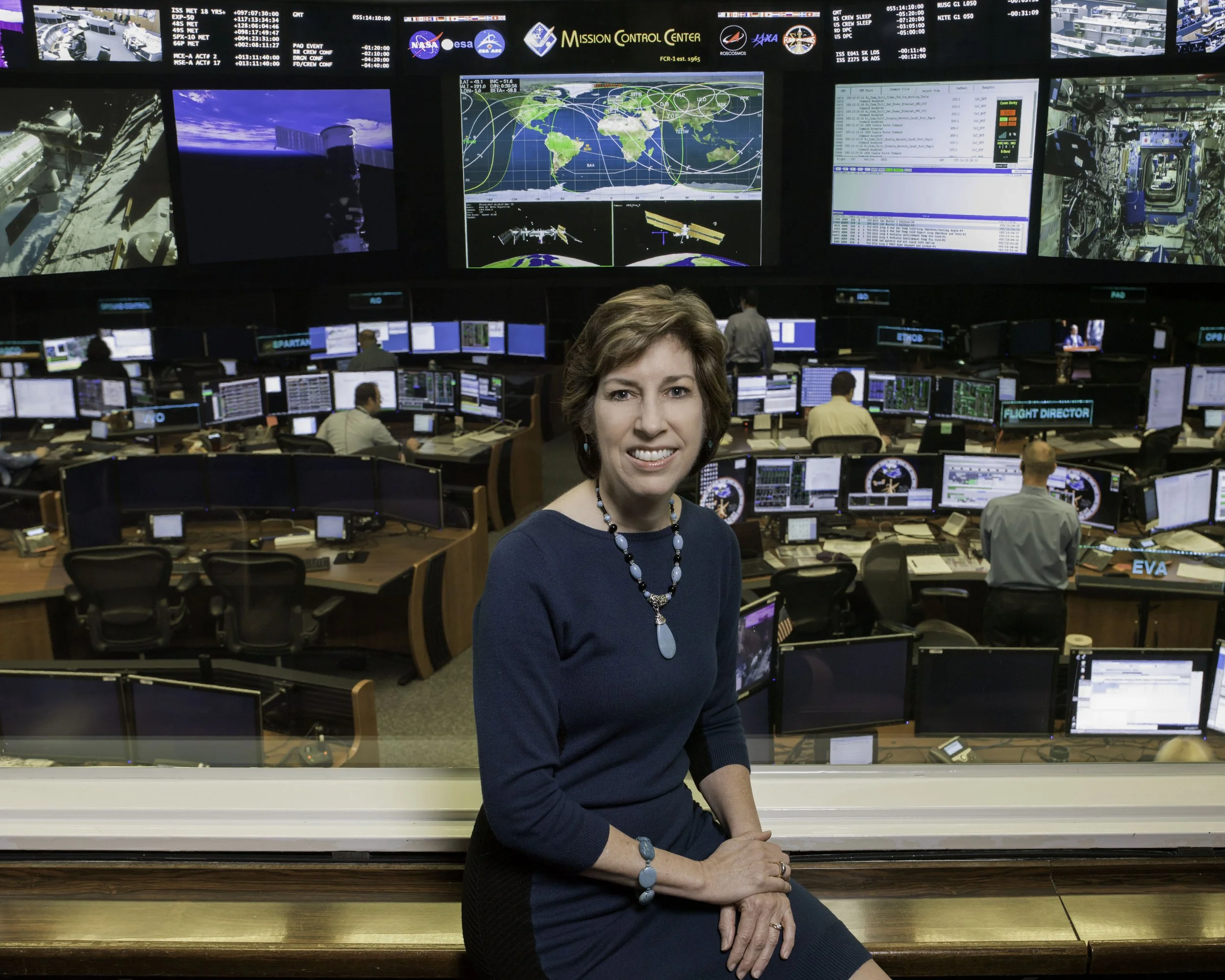
Throughout every stage of her career, Ellen has emphasized one lesson that extends far beyond space travel: teamwork. At NASA, almost every task involves collaboration, whether it’s astronauts supporting one another during missions or international teams building projects like the International Space Station. “Different people have skills in different areas… they ask questions that other people wouldn’t have come up with,” she explained. “That’s how we move forward.”
Today, Ellen Ochoa continues to inspire students, scientists, and dreamers around the world. She often reflects on the role storytelling plays in shaping the future. By sharing her journey—from a music-loving kid to a physicist, astronaut, educator, and role model—she hopes others will see new possibilities for their own lives. As she puts it, the opportunity to speak to people about her path allows them “to reflect on their own lives and what they want to achieve.”
And sometimes, those reflections lead someone to pursue a dream they never imagined before. Just like Ellen once did.
Enjoy our full conversation with Ellen on the Making Waves Project Podcast!
This story was created by Making Waves Project as part of Conversations with Women, an ongoing series highlighting women who are shaping the world in their own way. Some of these stories are about historic accomplishments. Others are about quieter moments of courage, persistence, and growth. Together, they reflect the many ways women lead, create change, and move forward even when the path isn’t clear.
Through these conversations, we explore both the victories and the challenges that come with building a life and career. From groundbreaking achievements to everyday resilience, these stories remind us that progress often happens step by step, through curiosity, determination, and the support of others along the way.
Our hope is that by sharing these journeys, we can celebrate the impact women are making while also highlighting the common threads that connect so many experiences: navigating uncertainty, finding confidence, and learning to trust your own path.
If you know a woman whose story deserves to be shared, we would love to hear from you. And if you are a brand interested in partnering with us to help tell more stories like this, reach out at hello@makingwavesproject.com.
Follow along with Conversations with Women on our Instagram and YouTube, and explore more stories at makingwavesproject.com/stories.
Photography by Robiee Ziegler & provided by Ellen Ochoa
Produced by Katie Caro